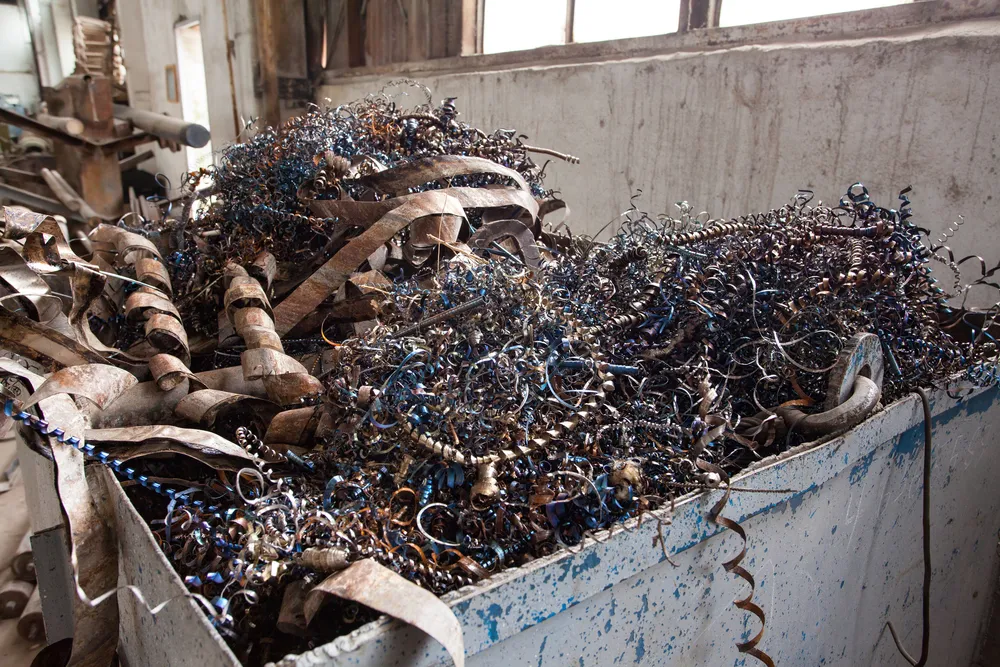
Under NSW law, anyone who generates waste is responsible for classifying it into one of six waste classes, based on the level of risk it poses to health and the environment. Each class can only go to a facility that's lawfully authorised to accept it.
Last updated: August 2026.
What Is Industrial Waste?
How a load of industrial waste is classified is what determines how it can be managed and where it can be disposed of. NSW law puts it through the same six-class system as any other waste. Each class is based on the level of risk it poses to health and the environment. That six-class system comes from clause 49 of Schedule 1 of the Protection of the Environment Operations Act 1997.
Waste isn't just rubbish and unwanted material. It also includes excavated material such as dirt, sandstone and soil, and contaminated soil, as well as construction, building and demolition waste, such as asphalt, bricks, concrete, plasterboard, timber and vegetation.
How a Generator Classifies Waste
Classifying a load isn't a single test: NSW's guidelines set out six steps, worked through in order, first asking whether the waste is special waste, then whether it's liquid waste, then whether the EPA has already pre-classified it, then whether it has hazardous characteristics, then applying chemical testing, and finally, for general solid waste, whether it's putrescible or non-putrescible. Once a step establishes the classification, the generator doesn't need to go on to the next one.
At the hazardous-characteristics step, a waste that hasn't already been classified is treated as hazardous if it's a dangerous good under classes such as explosives, gases, flammable or spontaneously combustible solids, oxidising agents, toxic substances, or corrosives.
The 6 Waste Classes Under NSW Law
Anyone who generates waste in NSW is responsible for classifying it into one of six waste classes, based on the level of risk it poses to health and the environment:
- General solid waste (non-putrescible). This is the general commercial, construction and demolition waste stream. Bricks, concrete, wood waste, garden waste, virgin excavated natural material, building and demolition waste and asphalt waste all fall into it.
- General solid waste (putrescible). This covers waste with putrescible organics in it, such as food waste, animal waste and manure.
- Restricted solid waste. The EPA hasn't pre-classified any waste types into this class: a load only becomes restricted solid waste through chemical testing. It contains up to four times the level of contaminants found in general solid waste.
- Hazardous waste. Some waste is pre-classified as hazardous, including lead-acid or nickel-cadmium batteries from business, commercial or community-service activities, and coal tar or coal tar pitch waste over 1% by weight.
- Liquid waste. Waste counts as liquid if it becomes free-flowing at or below 60 degrees Celsius, or generally can't be picked up with a spade or shovel.
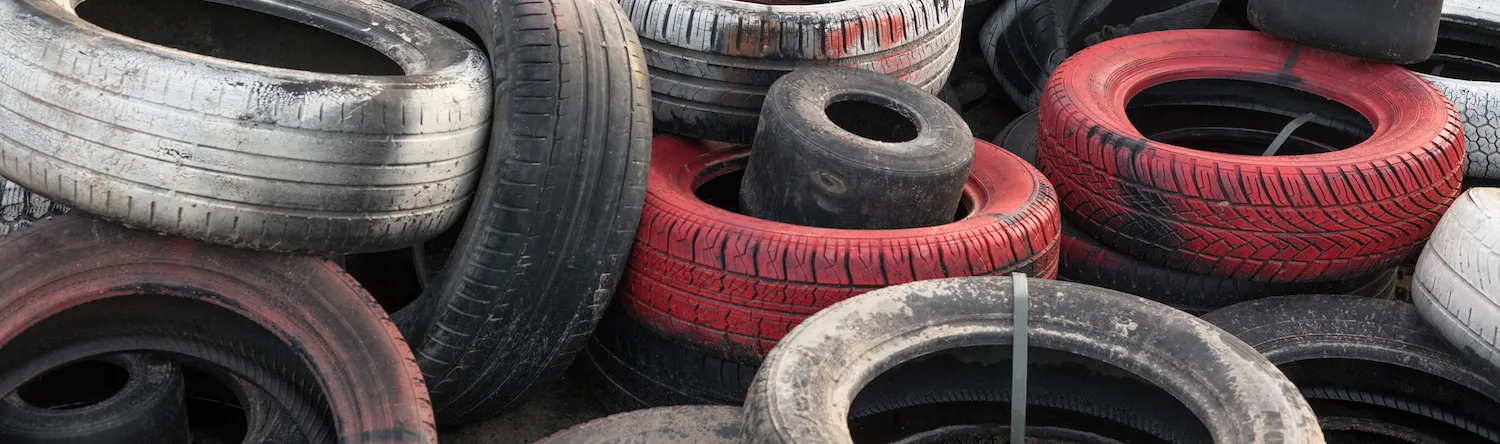
- Special waste. Clinical and related waste is pre-classified into this class specifically so the EPA can set more stringent transport and management rules for it. It also includes asbestos waste and waste tyres.
A waste facility can only lawfully accept a class of waste it's authorised to receive.
Liquid waste and untreated hazardous waste can't be landfilled in NSW. Some hazardous waste can be treated to remove or lock up its contaminants, which may allow it to be reclassified as restricted or general solid waste and then go to landfill. Special EPA approval might be required for that treatment and disposal.
Hazardous waste is one of these six classes. Generators are responsible for classifying it carefully, and it can only go to a facility that's lawfully authorised to accept it. Paul's Rubbish Removal handles hazardous waste. Asbestos is the exception and needs a licensed removalist. We also take, fast, the general and construction or demolition waste stream sitting alongside it: offcuts, packaging, damaged stock, timber, masonry, fit-out waste and general site rubbish.
Why Correct Classification Matters for Your Costs
There's also a financial reason to get the classification right. Certain licensed NSW waste facilities pay a per-tonne contribution called the waste levy. It applies across the Sydney metropolitan area, the Illawarra and Hunter regions, the central and north coast local government areas up to the Queensland border, and the Blue Mountains, Wingecarribee and Wollondilly local government areas. It's one of the NSW Government's key tools for pushing waste away from landfill and into recycling.
The 2026-27 waste levy rates apply from 1 July 2026. In the Metropolitan Levy Area, that's $180.20 per tonne. In the Regional Levy Area, it's $103.80 per tonne.
Virgin excavated natural material is one of the general solid waste (non-putrescible) types. There's a lower concessional levy rate for it. In the Metropolitan Levy Area, the concessional rate is $162.20 per tonne. In the Regional Levy Area, it's $93.40 per tonne. Scheduled waste facilities must also report to the EPA under Clause 22 of the Waste Regulation.
Waste Tracking and Consignment Obligations
Some waste doesn't just need to be classified correctly: it also needs to be tracked. Waste consignors must work out whether their hazardous waste needs to be tracked during transport and disposal. Certain waste types and codes are listed by the EPA as needing tracking whenever they're transported within NSW or interstate. Even waste that doesn't appear on the EPA's tracked-waste lists still needs to be tracked if it has the hazard characteristics set out in Table 3 of the EPA's guidance. It's the consignor's responsibility to show a waste doesn't have those characteristics, if they decide not to track it. The EPA runs an online system for creating the documents this requires.
Who Can Transport and Receive It
Transporting higher-risk waste, also called controlled or trackable waste, requires an environment protection licence. A waste transporter licence is what covers transport of these trackable waste types. The owner of the waste, the owner of the vehicle, and the transporter are each committing an offence if the waste ends up somewhere that can't lawfully accept it. The maximum penalty is $1,000,000 for a corporation or $250,000 for an individual. Loads also need to be covered during transport, unless the load is solely tyres or scrap metal. Get that wrong and the fine is $750 for an individual or $1500 for a corporation.
Asbestos waste has its own transport rules: any vehicle carrying it must be covered and leak-proof, bonded asbestos material must be securely packaged, friable asbestos material must be kept in a sealed container, and any asbestos-contaminated soil must be wetted down. Getting that wrong risks a $750 fine for an individual or $1500 for a corporation.
Transporters are expected to know what type of waste is on their vehicle, check the facility's council development consent and environment protection licence, and give the facility details of the waste's classification, origin and quantity.
Getting Industrial Waste Off Your Site, Step By Step
- Work out which of the six waste classes your material falls into, based on the level of risk it poses.
- Check the facility you're sending it to is licensed by the EPA. If it isn't, check it has council consent to receive that class of waste instead.
- If your waste is hazardous, check whether it needs to be tracked during transport and disposal.
- If a third party is transporting it, confirm they hold a waste transporter licence.
- Paul's Rubbish Removal handles hazardous waste, and collects and disposes of general commercial, construction and demolition waste across Sydney: see our construction rubbish removal and demolition waste removal services.
Frequently Asked Questions
What are the main types of industrial waste? NSW law recognises six waste classes: special waste, liquid waste, hazardous waste, restricted solid waste, and general solid waste, split into putrescible and non-putrescible.
What counts as industrial waste? Waste generated by a manufacturing, construction or industrial process. Like all other waste in NSW, it's classified into one of six waste classes based on the level of risk it poses to health and the environment.
Can a general rubbish removalist take industrial waste? It depends on the class of waste. A facility can only lawfully accept a class of waste it's authorised to receive, and that includes hazardous waste. It also includes special waste, such as clinical waste, which is pre-classified so the EPA can set stricter rules for it.
How much is the NSW waste levy? For 2026-27, it's $180.20 per tonne in the Metropolitan Levy Area. In the Regional Levy Area, it's $103.80 per tonne.
What happens if industrial waste ends up at the wrong facility? The owner of the waste, the owner of the vehicle, and the transporter can each be found guilty of an offence. The maximum penalty is $1,000,000 for a corporation or $250,000 for an individual.
Get Your Industrial Waste Sorted
Got a commercial site generating general waste, offcuts or demolition debris? Book a free quote for construction rubbish removal or see our demolition waste removal service. Same-day collection is available if you book before 10am. We handle hazardous waste too. Asbestos is the exception and needs a licensed removalist.