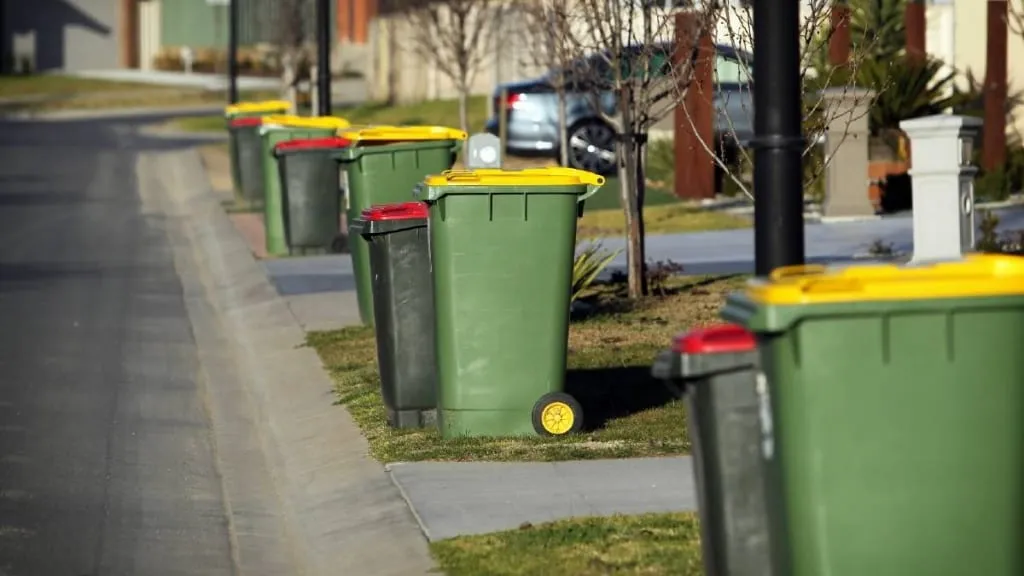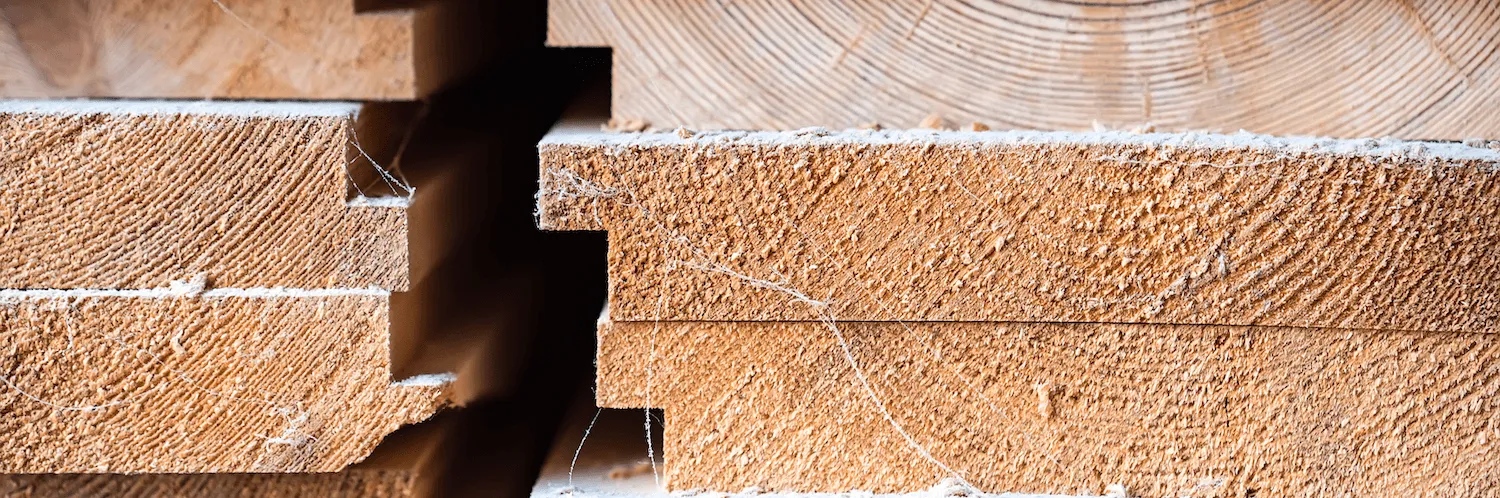
Most wood and timber cannot go in the green (garden organics) bin. Treated, painted, lacquered, or manufactured timber (including MDF and plywood) must never go in the green bin: it contaminates the compost and contains chemicals that can be harmful to the environment, your health or your children's health. Small natural garden branches from pruning are typically accepted as garden organics in most NSW councils. Timber from building or renovation work is not garden organics, regardless of whether it has been treated. Check your specific Sydney council's green bin guidelines, as acceptance criteria vary.
Last updated: July 2026
What wood can go in the green bin?
Wood and timber are versatile materials and common by-products of home, business, and construction work. Not all timber is treated the same when it comes to disposal.
Small natural garden branches, sticks, and prunings from regular garden maintenance can go in the green (garden organics) bin in most NSW councils. The key distinction is between garden organics and building material: a branch cut from a backyard tree is garden organics; a plank of wood left over from a renovation is not, even if it has never been treated.
If you are unsure whether your council accepts specific wood types, check their green bin guidelines directly. Acceptance criteria vary across Sydney councils.
What timber cannot go in the green bin?
Treated timber
Never put treated timber in the green bin. The chemicals used to preserve it contaminate the compost and can harm the environment.
Do not burn treated timber either. Burning releases toxic chemicals. For detailed guidance on safe disposal, see the section below on burning.
For small household jobs, small offcuts of treated timber can go in your regular red-lid general waste bin. Larger amounts from building or demolition work must go to a licensed landfill. Contact your local council for the nearest facility that accepts treated timber.
Painted wood
Painted wood does not belong in your green recycling bin. The paint contains chemicals that can contaminate the composting process.
Lacquered wood
Lacquered wood can contaminate an entire load of green waste. Separate lacquered timber from your other waste and do not place it in the green bin.
What about MDF, Plywood, and Particle Board?
These manufactured timber products cannot go in the green bin. MDF (medium-density fibreboard) and particle board contain formaldehyde-based resins. For small amounts, the red-lid general waste bin is the practical option. For larger renovation quantities, take them to your local council tip or arrange a professional collection.
Key facts about timber disposal:
- Only small natural garden branches and sticks from pruning are typically accepted in the green bin as garden organics
- Larger logs cannot go in the green bin even if untreated. They are too large to break down in the composting process
- Treated wood is listed as a prohibited item in green waste bins by waste industry guidelines
- Large logs and tree stumps are also prohibited in green waste bins
- NSW EPA: "Most treated timber cannot be recycled"
- NSW EPA: Burning treated timber releases toxic chemicals. Burning in outdoor fires, stoves, or enclosed spaces is prohibited
- NSW EPA: Ash from CCA-treated timber may contain more than 10% of its weight as heavy metal residue, including arsenic
Can I burn old timber to dispose of it?
Natural, untreated timber can be burned in appropriate settings. Treated timber must never be burned: burning releases toxic chemicals.
The NSW Environment Protection Authority states: "Never burn treated timber or treated timber waste in outdoor fires, stoves, fireplaces or in confined spaces." Ash from copper chrome arsenic (CCA) treated timber is toxic and may contain more than 10% of its weight as heavy metal residue, including arsenic.
If you are unsure whether your timber is treated, treat it as treated and dispose of it at a licensed landfill.
What should I do with timber that can't go in the green bin?
The answer depends on the amount and the type of timber.
Small amounts (a few offcuts): Small quantities of treated timber offcuts can go in your regular red-lid general waste bin.
Larger amounts from building or renovation: Take treated timber to a licensed landfill. Contact your local council to find the nearest facility that accepts it. Alternatively, you can leave it out for council pick-ups.
Large or bulky timber loads: If you have heavy beams, decking, fencing, or a full renovation clear-out, a professional rubbish removal service will collect it from your property without you needing to transport it yourself.
Do not:
- Burn treated timber under any circumstances
- Use treated timber sawdust for mulch, compost, or animal bedding
- Mix treated timber with other timber for recycling. Most treated timber cannot be recycled
Skip the tip run If you have a large load of timber, treated or untreated, that is too heavy to move yourself, Paul's Rubbish Removal takes care of it across Sydney. Over 15 years of timber and rubbish removal, same-day collection available when you book before 10am. Get a free quote on timber removal
Frequently asked questions
What bin does wood go in?
It depends on the type and size. Small natural garden branches and prunings can go in the green bin as garden organics. Timber from building or renovation work, even if untreated, is not garden organics and should not go in the green bin. Small offcuts of treated timber can go in the red-lid general waste bin. Large amounts need to go to a licensed landfill or be collected by a professional rubbish service.
Can you put timber in the green bin?
Only small natural garden wood (branches, sticks, and garden prunings from maintenance work) is typically accepted in the green (FOGO) bin. Building or construction timber does not belong there, regardless of whether it has been treated. Treated, painted, or lacquered timber must never go in the green bin. Check your specific council's guidelines as acceptance criteria vary across NSW.
Is timber recyclable?
Natural untreated timber can sometimes be recycled or reused. Treated timber generally cannot be recycled. The NSW EPA states "most treated timber cannot be recycled." Manufactured boards like MDF and plywood use binders that prevent standard recycling. Timber recycling drop-off points exist in some NSW council areas. Contact your council tip (resource recovery centre) to check.
Can I burn timber to get rid of it?
Natural, untreated timber can be burned in appropriate settings. Treated timber must never be burned: it releases toxic chemicals. The NSW EPA states: "Never burn treated timber or treated timber waste in outdoor fires, stoves, fireplaces or in confined spaces." If you are unsure whether your timber is treated, treat it as treated and dispose of it at a licensed landfill.