Last updated: July 2026
Fibro and asbestos are not the same thing, but fibro made before 1990 often does contain asbestos. NSW homes and buildings constructed or renovated before 1990 may contain asbestos-containing fibro sheeting. Modern fibro uses synthetic fibres and is asbestos-free. The only way to confirm whether your fibro contains asbestos is to have it inspected by a licensed asbestos assessor and tested by an accredited lab.
What is asbestos?
Asbestos is a mineral fibre that is thin and wire-like. Aside from its durability, the fire and chemical resistance, thermal stability, and poor electrical conductivity of asbestos materials deemed it the best construction material in the 1920s to 1980s. Houses and buildings constructed during that time are most likely to have asbestos. Asbestos cement insulates, soundproofs, and fireproofs housing and commercial establishments.
Asbestos comes in two forms that affect how it behaves and how it must be handled:
- Friable asbestos: when dry, it can be crumbled, pulverised, or reduced to powder by hand. This is the most dangerous form because fibres are easily released into the air.
- Non-friable (bonded) asbestos: mixed with cement or other bonding materials so it cannot be crumbled by hand. Fibro sheeting is typically non-friable when intact. Non-friable asbestos can become friable if the material is damaged or old.
What is fibro (fibre cement sheeting)?
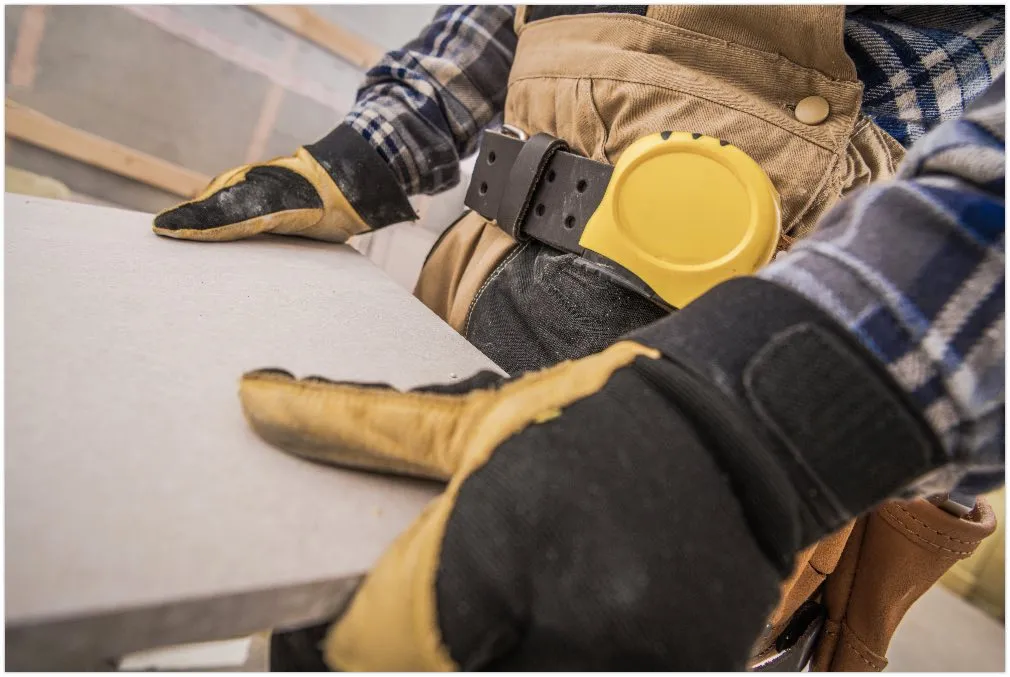
Fibro is short for Fibrous Cement Sheeting, a construction material specially used in roofing and cladding. This material is created from various fibres to create a thin cement sheet. Originally, fibre cement used asbestos to reinforce the cement. However, when the government banned asbestos, construction companies and homeowners alike favoured the use of safer alternatives like cellulose over asbestos. Modern fibro materials are now asbestos free, ensuring safety and compliance with current health regulations.
Is fibro the same as asbestos?
Fibro and asbestos are two different things. The main reason for their difference is that asbestos cement products pose health risks to humans while fibre cement does not. Another is that producing and using asbestos for construction is now illegal.
From the early twentieth century through to the late 1980s, asbestos was used in over 3,000 products across building, manufacturing, and utilities. In NSW, homes and buildings constructed or renovated before 1990 are most likely to contain asbestos-based materials, including fibro sheeting. Asbestos was banned in Australia in 2003. Modern fibro (post-1990) uses synthetic fibres such as cellulose instead of asbestos.
- Contains asbestos? Older fibro (pre-1990): Often yes. Modern fibro (post-1990): No. Asbestos: Yes.
- Legal to use in construction? Older fibro (pre-1990): Was legal at time of installation. Modern fibro (post-1990): Yes. Asbestos: No (banned in Australia in 2003).
- Can you tell by sight? Older fibro (pre-1990): No. Modern fibro (post-1990): No. Asbestos: No. Testing required.
- Safe if undisturbed? Older fibro (pre-1990): Yes, if in good condition. Modern fibro (post-1990): Yes. Asbestos: Yes, if in good condition.
- What to do if found? Older fibro (pre-1990): Test with licensed assessor. Modern fibro (post-1990): No action needed. Asbestos: Test with licensed assessor.
What does asbestos look like, and can you identify it by sight?
Naturally occurring asbestos fibres can be blue, brown, green or white. When asbestos is mixed with cement (as in older fibro sheeting) or painted over, the colour changes and cannot be used to identify the material.
Asbestos has no taste or smell. Do not try to smell or handle material you suspect may contain asbestos.
Asbestos-containing materials come in a range of forms, colours and textures. There is no reliable way to identify asbestos by visual inspection alone.
Do not attempt to burn, snap, drill, or otherwise disturb material you suspect may contain asbestos. Disturbing asbestos releases fibres into the air, which are harmful if inhaled.
The only safe way to confirm whether your fibro contains asbestos is through a licensed asbestos assessor, who can arrange testing by an accredited asbestos testing lab.
What are the health risks of asbestos?
When asbestos-containing materials are disturbed by cutting, drilling, water blasting, or similar activity, small fibres are released into the air. These fibres are harmful if inhaled and can lead to asbestos-related diseases including asbestosis, lung cancer, and mesothelioma.
Around 4,000 Australians die from asbestos-related diseases each year, double the annual road toll. Asbestos-containing material in good, undisturbed condition poses little health risk; the danger arises when it is disturbed.
What should you do if you find asbestos in your home?
If you suspect a material in your home contains asbestos, the NSW government recommends you:
- Stop work immediately and leave the area.
- Do not disturb, drill, cut, or sand the suspected material.
- Contact a licensed asbestos assessor who can arrange inspection and testing by an accredited asbestos testing lab.
- Follow NSW guidelines and laws for any asbestos management, removal, or disposal.
Under NSW regulations, friable asbestos removal and non-friable asbestos areas larger than 10 square metres must always be handled by a licensed asbestos professional. SafeWork NSW also recommends using a licensed professional for any amount of non-friable asbestos, due to the health risks of disturbance.
Asbestos waste must be taken to a landfill licensed to accept it.
If your home was built or renovated before 1990, any fibro sheeting may contain asbestos. Modern fibro does not. The two look identical without testing, and the only way to confirm the presence of asbestos is through a licensed assessor and accredited lab. Do not attempt to test it yourself.
Frequently asked questions
Is fibro the same as asbestos?
No. Fibro is short for fibrous cement sheeting, a building material. Older fibro (made before 1990) was often reinforced with asbestos fibres. Modern fibro uses synthetic fibres and does not contain asbestos. The only way to confirm which type you have is through professional testing.
How can I tell if my fibro contains asbestos?
You cannot tell by looking, smelling, or handling the material. A licensed asbestos assessor can confirm asbestos by inspecting the material and arranging testing by an accredited asbestos testing lab.
What does asbestos look like?
Naturally occurring asbestos can be blue, brown, green or white. When mixed with cement or painted over, the colour changes. In products such as fibro sheeting, asbestos is not visible to the naked eye. Visual inspection cannot confirm or rule out asbestos.
Is it safe to live in a house with asbestos fibro?
Asbestos-containing material in good, undisturbed condition poses little health risk. The danger arises when the material is disturbed by cutting, drilling, or water blasting. If your fibro sheeting is intact and in good condition, you do not need to remove it urgently. Get it assessed by a licensed asbestos assessor to understand your options.
Who removes asbestos in NSW?
Friable asbestos and non-friable asbestos areas over 10 square metres must be removed by a licensed asbestos professional. SafeWork NSW recommends using a licensed professional for any amount of non-friable asbestos. Find a licensed removalist through SafeWork NSW.
Need help clearing rubbish from a renovation or property clean-up?
Asbestos removal and disposal must be handled by a licensed asbestos removalist. For any suspected asbestos material, contact a licensed professional first.
Once the licensed work is done, Paul's Rubbish Removal handles general rubbish removal across Sydney: old timber, broken concrete, general renovation waste. Book before 10am for same-day collection. Call 0407 125 125 or get a free quote.