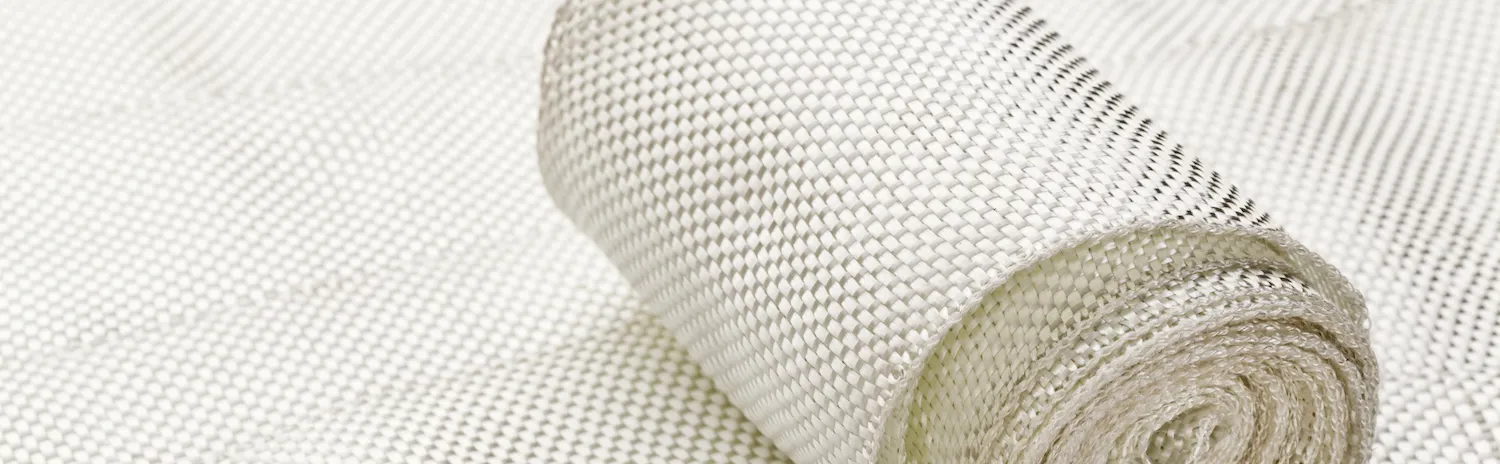
Fibreglass is glass fibre set into a plastic resin, forming a rigid composite used in boat hulls, pool shells, surfboards, roofing panels, spas and insulation batts. When fibreglass reaches the end of its life, it cannot go in your household recycling bin. Handling fibreglass safely before disposal matters: fibreglass dust irritates skin, eyes and airways. This guide covers what fibreglass is, how to handle it safely and the disposal options available in Sydney.
How is fibreglass made?
Fibreglass starts with molten glass drawn through very fine holes to produce hair-thin strands measurable in microns. Those strands are woven or layered, then combined with a liquid resin that binds the fibres and gives the final material its shape when cured. The result is a rigid composite sometimes called glass-reinforced plastic (GRP) or glass-fibre-reinforced plastic (GFRP).
Common end products include: boat hulls, swimming pool shells, spa baths, surfboards, roofing panels, automotive body parts, sporting equipment and circuit boards. The lightweight-to-strength ratio is the main industrial advantage over steel, aluminium and timber.
Types of fibreglass (A, C, E, AE and S-glass)
Fibreglass is not a single product. The type is determined by the ratio of raw materials used in the glass batch, which affects its properties:
- A-glass (alkali glass): high chemical resistance, used in process equipment and chemical handling
- AE-glass (alkali-resistant glass): designed to resist alkali environments, common in cement composites
- C-glass (chemical glass): similar to A-glass, used in applications requiring chemical durability
- E-glass (electrical glass): provides electrical insulation, the most widely used type in construction and electronics
- S-glass (structural glass): highest tensile strength of the common types, used in aerospace and structural components
Most household and construction fibreglass (insulation batts, pool shells, boat hulls) uses E-glass. If you are disposing of a specialist structural component, the type of fibreglass may affect the recycling options available to you.
Does fibreglass irritate your skin, eyes and lungs?
Last updated: July 2026
Yes. The primary health risk from fibreglass (low biopersistence man-made vitreous fibre, or MMVF) is mechanical irritation to the eyes, skin and upper respiratory tract. SafeWork NSW sets a workplace exposure standard of 2 mg/m3 (inhalable fraction, measured as an 8-hour time-weighted average concentration) precisely because exposure at higher levels causes harm.
The good news is that standard fibreglass insulation and construction products are classified as non-hazardous under the Globally Harmonized System (GHS), because modern formulations are considered to be bio-soluble (they break down in the body). This does not mean they are harmless to handle. It means the risk is mechanical irritation, not chemical toxicity or long-term fibre accumulation.
The fibres are sharp at a microscopic level. Contact with bare skin causes a rash-like itch. Rubbing the skin after contact can drive fibres deeper. Airborne dust from cutting or sanding affects the nose, throat and, with sustained exposure, the airways. Wearing the right PPE eliminates the practical risk.
Key facts about fibreglass and health (sourced):
- The primary hazard is mechanical irritation to eyes, skin and upper respiratory tract, not chemical toxicity
- Standard (low biopersistence) fibreglass products are classified non-hazardous under the Globally Harmonized System
- SafeWork NSW exposure standard for fibreglass dust: 2 mg/m3 (inhalable fraction, 8-hour time-weighted average)
- Minimum PPE for high-risk work (cutting, demolition): Class P1 respirator, safety goggles, disposable coveralls
- Fibreglass waste should always be packed in plastic bags to contain fibres before transport or disposal
Source: SafeWork NSW, Man-made Vitreous Fibre Insulation Products guidance (safework.nsw.gov.au)
How to dispose of fibreglass safely in Sydney
Fibreglass cannot go in your kerbside recycling bin or general household rubbish. For small quantities from a home renovation or repair, the steps below apply. For large items (pool shells, boat hulls, roofing panels) a rubbish removal service is the practical option. Contact your local council or a licensed construction waste facility to confirm acceptance criteria before dropping off fibreglass waste.
Before you start: put on your PPE
SafeWork NSW specifies the following for working with fibreglass and MMVF products:
- Eyes: Safety goggles or a face shield, especially during overhead work
- Skin: Gloves and loose-fitting long-sleeved clothing; disposable coveralls with hoods are ideal
- Breathing: A Class P1 respirator is the minimum for higher-risk activities such as loose-fill installation or demolition work
Work outdoors or in a well-ventilated space. Do not rub your eyes or skin if fibres make contact. After handling, wash exposed skin gently with cold water (cold slows pore opening) before showering.
Step 1: Separate and cut down
If fibreglass is bonded to another material (a car panel, furniture frame or roof sheet), separate what you can. Use hand tools where possible. If using a jigsaw or angle grinder, fit it with on-tool dust capture and a Class M vacuum. Power-tool cutting generates significantly more airborne fibre dust than hand cutting.
Step 2: Bag and seal
Pack cut pieces into heavy-duty plastic bags and seal them tightly. SafeWork NSW recommends packing, storing and transporting fibreglass waste in plastic bags to minimise the release of fibres and dust.
Step 3: Dispose at a licensed facility
Check with your nearest licensed construction waste facility before transporting fibreglass materials, as acceptance criteria and tipping fees vary. Do not place bagged fibreglass in a general household bin.
Can fibreglass be recycled in Australia?
Technically yes. In practice, options are limited.
Fibreglass (GRP) is a thermoset composite: the glass fibres and resin are chemically bonded during curing, which makes it impossible to melt and re-form the way glass bottles or aluminium cans can be recycled. The recycling methods that exist involve mechanical grinding (turning GRP into a filler powder or short fibres for lower-grade composites) or chemical decomposition to separate the glass from the resin matrix. Both are specialist industrial processes.
In Australia, the infrastructure for fibreglass recycling is limited compared to other materials. Dedicated kerbside or drop-off fibreglass recycling is not widely available for most households. Commercially, fibreglass grinding is used in some marine and construction industries for composite filler, but specialist facilities in Sydney are limited.
The honest answer for most Sydney households and tradespeople: fibreglass waste currently goes to landfill via a licensed construction waste facility. If you have a specialist item (a decommissioned fibreglass boat, for example), contact a marine salvage operator or specialist demolition firm directly to ask about recycling options.
Frequently asked questions about fibreglass disposal
Is fibreglass classified as hazardous waste in NSW?
Standard household fibreglass products (insulation, pool shells, boat hulls) use low biopersistence glass fibre, which is classified as non-hazardous under the Globally Harmonized System. This means it is not scheduled as hazardous waste under NSW EPA regulations. Verify classification requirements for your specific material with your local council or licensed waste facility before disposal.
Can I put fibreglass in my kerbside bin?
Whether fibreglass items are accepted in general waste bins or kerbside clean-up programs depends on your local council. Contact your council directly to confirm what they accept, or arrange a rubbish removal service for larger items.
Is it illegal to burn fibreglass in NSW?
Do not burn fibreglass. The fumes present a genuine health and fire hazard.
How long does fibreglass take to decompose in landfill?
Fibreglass does not biodegrade in any practical timeframe. The glass fibre component is chemically inert; the resin binds it. This is why the limited recycling infrastructure for GRP is worth developing over time, and why burning or illegal dumping is not a responsible disposal path.
Need fibreglass removed from your Sydney property?
Large fibreglass items (pool shells, spa baths, boat hulls, roofing panels) are difficult to cut down, bag and transport safely on your own. Paul's Rubbish Removal handles fibreglass removal across Sydney, including the Eastern Suburbs, Inner West and North Shore. The team is fully insured and has been running for over 15 years.
Call 0407 125 125 for a free quote, or see our rubbish removal services page for what we take.