Last updated: July 2026
Around 14% of what Australians put in recycling bins is classified as contamination that cannot be recycled. Sorting rubbish for recycling in Sydney means: rinse containers before they go in the yellow lid bin, keep recyclables loose (never bag them), and keep soft plastics out. The five mistakes below are where most loads get rejected.
Why sorting matters in NSW
Around 14% of what Australians put in recycling bins is contamination that cannot be recycled. (National Waste Report 2020-21, via Planet Ark, 2023.)
New South Wales and Victoria both recorded a 67% resource recovery rate in 2020-21. (Planet Ark, citing National Waste Report 2022.) South Australia leads at 80%.
NSW's own Return and Earn container deposit scheme has achieved a 73% reduction in the volume of drink container litter since it launched in 2017. (NSW EPA, updated December 2025.)
Getting sorting right at home is one of the few direct levers households have on these numbers.
Mistake 1: Putting soft plastics in the recycling bin
Soft plastics are the most common recycling mistake in Australian households. If you can scrunch a plastic item in your hand, it is a soft plastic and it does not go in the yellow lid bin. This covers chip packets, bread bags, cling wrap, and produce bags.
The problem is not that soft plastics are unrecyclable. It is that kerbside sorting equipment cannot handle them. They jam conveyor belts at the materials recovery facility, contaminating other loads. Keep them out of the yellow lid bin, and check your council or a current supermarket soft-plastics program for drop-off options, as these schemes have changed in recent years.
Mistake 2: Bagging your recyclables
Putting recyclables inside a plastic bag before placing them in the yellow lid bin is one of the most common errors. Sorting facilities cannot open bagged loads. The entire bag gets classified as contamination and sent to landfill, regardless of what is inside.
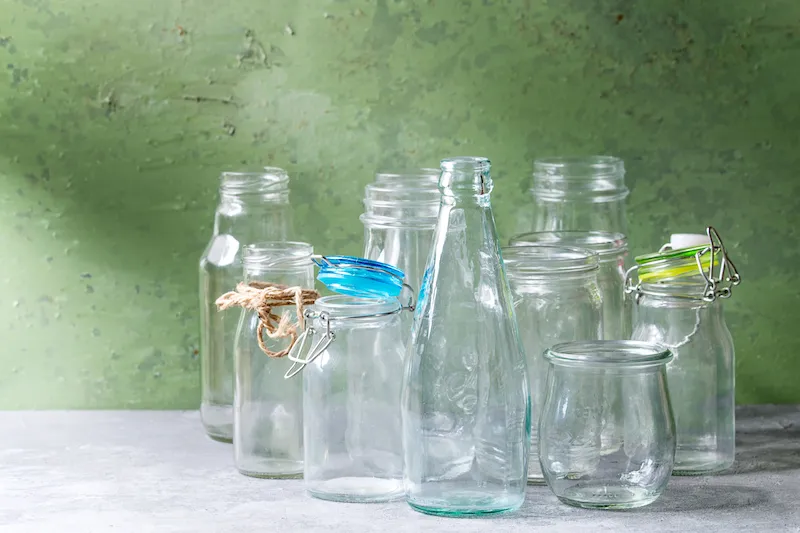
Always place items loose directly in the bin. Rinsed glass bottles and jars, aluminium cans, clean cardboard, and plastic bottles and containers all go in loose.
Note on glass bottles: most NSW councils collect glass through the yellow lid bin, but some have switched to a separate glass bin or drop-off point. Check your council's website to confirm.
Mistake 3: Skipping the rinse
Food residue is one of the top contaminants in Australian recycling. A yoghurt container with two spoonfuls left in it, or a tin can with sauce residue, can contaminate the paper and cardboard in the same load.
You do not need to wash items spotless. A quick rinse to remove visible food or liquid is enough. Lids can usually stay on plastic bottles and containers. Flattening plastic bottles saves space in the bin. If a container is too dirty to rinse quickly (think a takeaway tray caked with grease), it goes in the general waste (red lid) bin.
Mistake 4: Wishful recycling
Wishful recycling means putting an item in the yellow lid bin and hoping it can be recycled. Common examples: greasy pizza boxes, shredded paper in loose piles, laminated cardboard, and bubble wrap.
The test is straightforward. Paper and cardboard go in the yellow lid bin if they are clean and dry. For pizza boxes with grease or food residue, check with your council before placing them in the yellow lid bin, as rules vary. For shredded paper, check your council's guidelines as acceptance varies. Bubble wrap is a soft plastic: it goes in the soft plastics drop-off, not the yellow lid.
If in doubt, check recyclingnearyou.com.au (run by Planet Ark) to find what your Sydney council accepts.
Mistake 5: Putting broken glass in the recycling
Intact glass bottles and jars are recyclable through most Sydney council kerbside services. Broken glass is a different problem. It contaminates cardboard and paper loads and is difficult to sort by colour at the facility.
Broken glass goes in the general waste (red lid) bin, wrapped in several layers of paper or newspaper first to contain the shards. Do not place it loose in the recycling bin.
Clean, empty aluminium and steel cans go in the yellow lid bin. Flatten them if you like, but it is not required.
Which bin in NSW?
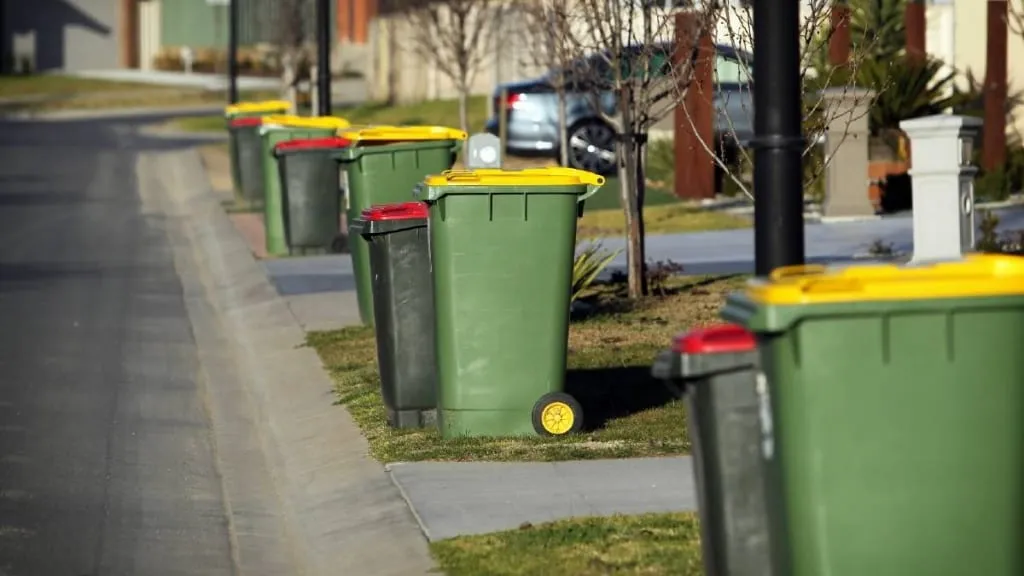
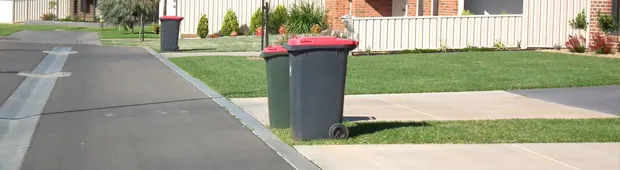
- General waste (Red): Food scraps, soft plastics, nappies, broken glass (wrapped), greasy pizza boxes
- Recycling (Yellow): Clean plastic bottles and containers, glass bottles and jars, aluminium and steel cans, paper, cardboard
- Organics / FOGO (Lime green): Food scraps, garden waste (if your council provides this service)
- Paper and cardboard (Blue): Paper and cardboard only (some councils and workplaces)
Source: NSW EPA Standard recycling signs (updated October 2025).
Note: What goes in each bin varies by council in NSW. The FOGO (lime green lid) bin is not yet available in all Sydney council areas. Contact your local council or visit recyclingnearyou.com.au to check what applies at your address.
Return and Earn: the smarter option for drink containers
Most empty NSW drink containers between 150ml and 3 litres are eligible for a 10-cent refund through the Return and Earn scheme. This includes most soft drink, juice, water, and beer containers.
Containers NOT eligible (these go in the yellow lid bin instead): milk containers, glass wine and spirit bottles, juice bottles 1 litre and over, and cordial bottles.
Return points are available across NSW. Find your nearest one at returnandearn.org.au.
When the council won't take it
Some items do not belong in any household bin: old mattresses, white goods, garden waste, or a house clearance after a move. Paul's Rubbish Removal collects these directly from your property across Sydney. Over 15 years in the business, fully insured, and with a 100% satisfaction guarantee.
Book before 10am for a same-day collection. Call 0407 125 125 or get a free quote online.
See our rubbish removal services page for the full service list.
Frequently asked questions
Why is sorting rubbish important for recycling?
When the wrong items go into the recycling bin, entire loads can be rejected. About 14% of what Australians put in their yellow lid bins is contamination that ends up in landfill anyway. (Planet Ark, 2023, citing National Waste Report.) Sorting correctly at home is the main point where households can reduce that number.
What goes in the yellow recycling bin in Sydney?
Yellow lid bins in Sydney typically accept clean glass bottles and jars, aluminium and steel cans, rigid plastic bottles and containers, and paper and cardboard. What is accepted varies by council. Check your local council's website or recyclingnearyou.com.au for the specific rules at your address.
What should not go in the recycling bin?
Soft plastics (anything you can scrunch in your hand), bagged recyclables, food-contaminated containers, broken glass, clothing, and nappies should not go in the yellow lid bin. These are the most common contaminants in Australian household recycling. Hazardous items like paint, motor oil, and batteries go to NSW Community Recycling Centres, free of charge.