Last updated: July 2026
No, you do not need to remove labels before recycling glass bottles, jars, metal cans, or plastic containers. Modern kerbside recycling processes use high heat that burns off paper labels and adhesive residue during processing. The one exception: lids on plastic bottles and containers should be removed. Here is why, and what the rules are for each material.
What the recycling process does to labels
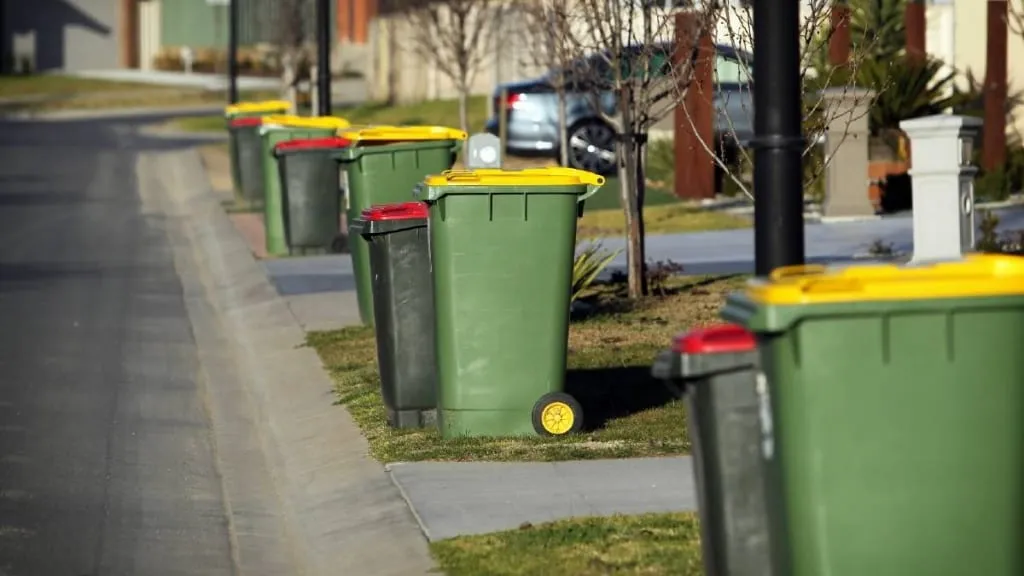
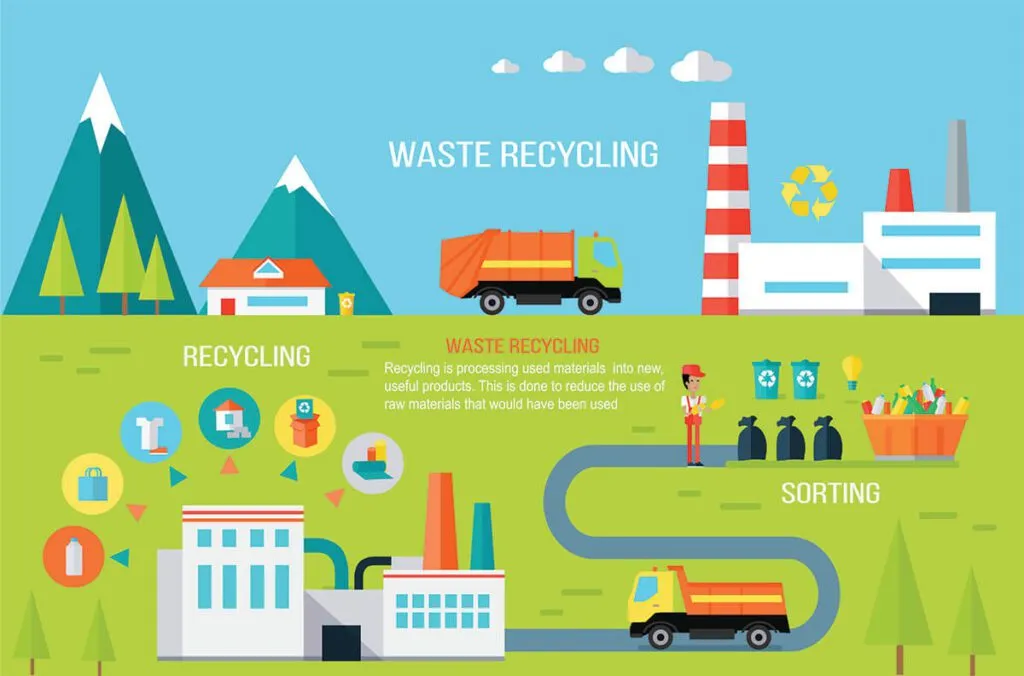
Modern kerbside recycling facilities are designed to handle glass, metal, and plastic, including the paper labels and adhesive residue that remain on containers. This is why recycling programs in Australia and overseas do not require you to remove paper labels from glass jars, tin cans, or plastic bottles before putting them in the yellow-lid bin.
Contamination from food or liquid residue is a bigger concern than labels. Rinsing your bottles and jars removes the main contamination risk.
Can you leave labels on when recycling glass, metal, and plastic?
For glass bottles and jars, metal cans, and plastic containers: you can leave labels on. The recycling process handles paper labels and adhesive residue, so they do not need to be removed before placing items in the yellow-lid bin.
A rough rule by material:
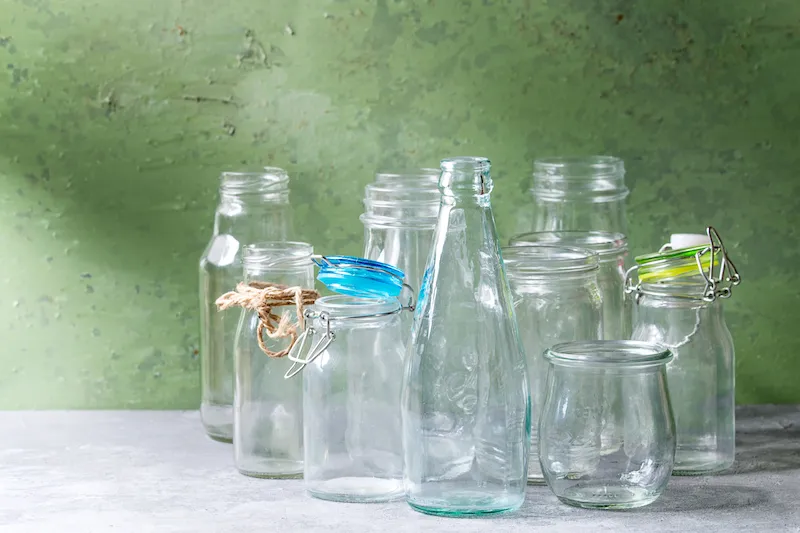
- Glass bottles and jars: Labels: leave on. Lids / caps: remove (metal lids go separately).
- Metal cans and tins: Labels: leave on. Lids / caps: leave ring pulls on; remove plastic lids.
- Plastic bottles (PET, HDPE): Labels: leave on. Lids / caps: remove (different plastic type).
- Cardboard packaging: Labels: leave on if small. Lids / caps: remove excessive tape; flatten box.
Check your council's recycling guidelines for any local variations, as acceptance rules differ between councils.
Do plastic bottle lids need to come off?
Yes: remove lids and caps from plastic bottles and containers before recycling. Common plastic bottle types include PET (resin code 1) and HDPE (resin code 2). Lids can be a different type of plastic with a different melting point, which means they need to be separated at the facility. Leaving a lid on can cause the bottle to be rejected or contaminate the batch. Check your council's yellow-bin guide.
For paper and cardboard: remove staples, plastic envelope windows, and excessive tape before recycling. Small amounts of tape are unlikely to cause problems, but large amounts of adhesive or plastic-coated labels can contaminate the paper stream.
When does contamination actually matter?
Contamination matters, but the type of material determines how much.
For glass, plastic, and metal: rinsing matters more than labels. "Wipe or rinse any remaining food or liquids as this can also be contamination." Food residue left inside containers can damage equipment and make recyclables harder to re-sell.
For paper and cardboard: food grease is a serious problem. Greasy pizza boxes, food wrappers, and tissues contaminate the paper fibre and cannot be recycled. Tear off clean portions and recycle those; bin the greasy sections. Paper kitchen towels may not be accepted for kerbside paper recycling. Check your council's guidance on paper products.
Tissues go in general waste, not the recycling bin.
Frequently asked questions
Do I need to remove labels from recycling?
No. Labels on glass, metal, and plastic containers do not need to be removed before you put them in the yellow-lid recycling bin. The recycling process uses heat that burns off paper labels and adhesive. Lids on plastic bottles are a different matter: remove those (see below).
Do lids need to be removed from plastic bottles before recycling?
Yes. Plastic bottle lids are usually a different type of plastic (polypropylene, resin code 5) to the bottle itself (typically PET or HDPE). They have different melting points and should be separated. Remove lids before placing plastic bottles in the recycling bin, and check your council's guidance, as acceptance rules can differ between councils.
Do you need to remove labels from glass bottles?
No. Glass bottle labels are paper-based and are removed during the glass recycling and sorting process. You do not need to peel them off before recycling. Remove the metal lid and check your council's guidance on where glass jar lids should go, as this varies between councils.
What is the Australasian Recycling Label (ARL)?
The ARL is the symbol printed directly on Australian product packaging. A solid recycling symbol means the component goes straight in your yellow-lid bin. A transparent/outline symbol means "conditionally recyclable" and you need to follow the on-pack instructions (often: remove the lid, rinse, or check your council). A bin symbol means it goes in general waste. Look for the ARL on your packaging rather than relying on generic recycling symbols.
Got rubbish that won't fit in the yellow bin?
Labels, lids, and general preparation are easy for kerbside bins. For bulk items that won't fit the council recycling stream (old furniture, white goods, renovation waste, or oversized loads), Paul's Rubbish Removal offers same-day pickup across Sydney. Book before 10am for same-day collection, or get a free quote on any job.