Last updated: July 2026
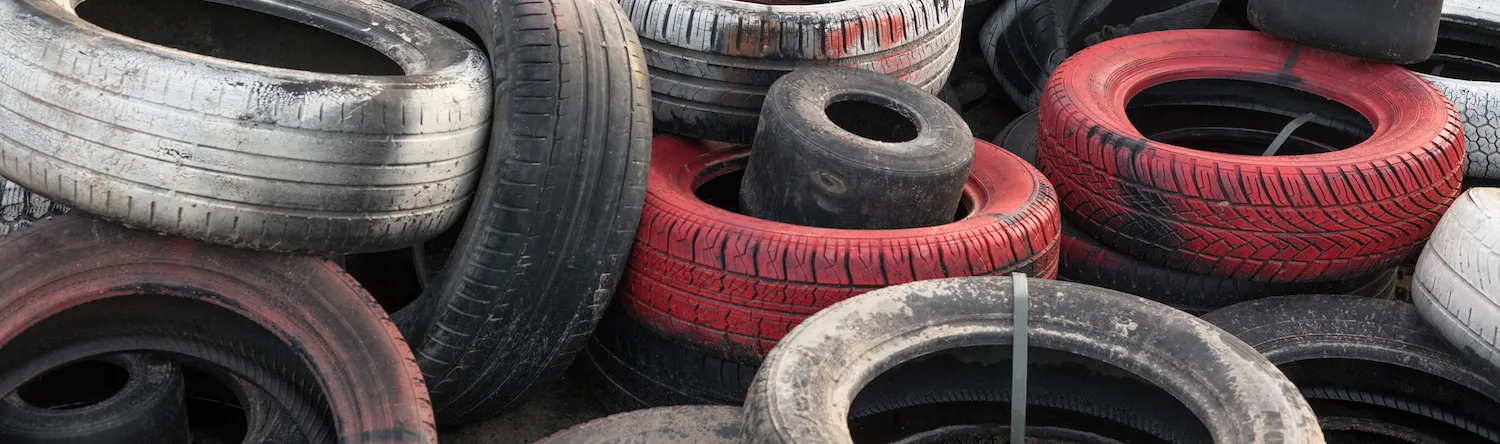
Old tyres cannot go in your kerbside bin. In NSW, the two main legal options are dropping them at a Tyre Stewardship Australia (TSA) accredited mechanic or recycler (often at no charge for passenger tyres), or booking a collection service that comes to you. Australians generate the equivalent of 180,000 used passenger tyres every day, and only 66% are currently recovered. This guide covers each disposal path, what the regulations say, and what to expect.
Why Tyre Disposal Matters
Australians generate the equivalent of 180,000 used passenger tyres every day (Tyre Stewardship Australia). Australian Tyre Recyclers Association (ATRA) members alone recycle more than 20 million tyres per year. Even so, only 66% of used tyres generated in Australia are currently recovered (Tyre Stewardship Australia). The rest end up in landfill or, worse, dumped illegally.
Tyres are non-biodegradable. They create breeding grounds for mosquitoes when water pools in them, pose serious fire risks when stockpiled, and release toxic compounds if burned. These are not abstract concerns: tyre fires are notoriously difficult to extinguish and generate smoke that carries a range of harmful substances.
Recycled tyres do not go to waste. Once processed, the material becomes rubber crumb for sports fields and soft fall surfacing, steel recovered for reuse, shred and granules used in road construction and building materials, and fuel substitutes for industrial facilities.
By the numbers: tyre disposal in Australia
- 180,000: equivalent passenger tyres generated in Australia every day (Tyre Stewardship Australia)
- 66%: share of used tyres currently recovered in Australia (Tyre Stewardship Australia)
- 20 million+: tyres recycled per year by ATRA members (Australian Tyre Recyclers Association)
- 30+: tyre and auto brands contributing to the TSA scheme (Tyre Stewardship Australia)
- $11 million+: invested by TSA in market development projects (Tyre Stewardship Australia)
How to Dispose of Old Tyres in Sydney: Your Options
The right path depends on how many tyres you have and whether you can transport them.
Option 1: Drop off at a TSA-accredited mechanic or tyre retailer When you buy new tyres, many accredited mechanics and retailers accept your old ones at no extra charge. Whether a fee applies for bringing in tyres without purchasing new ones varies by business. Use TSA's Find Services directory at tyrestewardship.org.au/find-services to locate an accredited business near you. Tyres from vehicles and bikes should go here rather than in household recycling bins.
Option 2: Drop off at a dedicated TSA-accredited recycler For larger quantities or if no mechanic near you accepts drop-offs, the TSA directory also lists dedicated collection facilities. These handle passenger car tyres, truck tyres, and off-road tyres. Fees at dedicated recyclers for commercial quantities vary, so contact the facility directly.
Option 3: Council bulk waste collection Some Sydney councils include tyres in their annual bulk waste or clean-up collections. Check with your specific council for eligibility, quantities accepted, and scheduling. This option is free but requires waiting for your council's scheduled pick-up date, which may be weeks away.
Option 4: Book a rubbish removal pickup If you have multiple tyres and cannot transport them, a licensed rubbish removal service picks them up from your property. Paul's Rubbish Removal picks up tyres across Sydney. Book before 10am and same-day collection is available. Call 0407 125 125 or get a free quote at paulsrubbish.com.au/services/scrap-metal-junk-removal.
Which option makes sense depends on your situation. A single tyre from a wheel change: Option 1 at your mechanic is simplest. A business with 40 old passenger car tyres piled in a yard: a collection pickup will be the faster call.
Tyre Stewardship Australia and Its Role
Tyre Stewardship Australia (TSA) is the central body for end-of-life tyre management in Australia. Founded in 2014 as a not-for-profit and authorised by the ACCC, TSA operates under the Recycling and Waste Reduction Act 2020. The scheme is funded by a voluntary levy that tyre and auto brands pay on every tyre they import. Its goal is shared responsibility: reducing the environmental, health and safety impact of used tyres. More than 30 tyre and auto brands contribute to the scheme.
Businesses and residents can search TSA's Find Services directory at tyrestewardship.org.au/find-services by state, service type, and business name to locate an accredited recycler or collector near them.
The Recycling Process of Used Tyres
The tyre recycling process breaks the tyre down into its component parts so each material can be recovered and reused. The process involves the following steps:
Collection and inspection of used tyres from automotive shops and waste management centres.
Disassembling the tyres into different materials.
Each material undergoes its own recycling process.
Shredding is a crucial step in the recycling process for tyres. Here is an overview of the process:
Step 1: Debeading
The steel beads, which provide strength and shape to the tyres, are removed.
Step 2: Magnetic separation
Techniques are used to extract steel wires from the rubber material.
Step 3: Granulation
The rubber material is broken down into fine rubber crumbs, which can be used in landscaping and sports fields.
Step 4: Further granulation
This step can produce powder rubber.
The repurposed materials from recycled rubber tyres can be used in a variety of products, including:
- Playground surfaces
- Carpet underlay
- Road construction materials
- Athletic surfaces
- Gym flooring
- Rubber matting
What the Law Says About Tyre Disposal in NSW
Tyres are classified as regulated waste in NSW. You cannot place them in kerbside bins, burn them, or dump them.
The Australian Government regulates the export of waste tyres under the Recycling and Waste Reduction Act 2020.
For businesses storing or transporting tyres in volume: Businesses storing large quantities of waste tyres may require a licence. EPA tracking requirements apply when transporting waste tyres. Penalties apply for non-compliant storage and transport.
For residents and small businesses (fewer than 20 tyres), the regulations are simpler: use an accredited recycler, a TSA-accredited mechanic, or a licensed rubbish removal service.
When to Use a Collection Service
Professional tyre recycling services offer convenience, cost-efficiency, and compliance with environmental regulations. When time is a constraint, contacting a licensed rubbish removal company is recommended for proper tyre disposal.
Tyre recycling is not solely an additional operating expense for companies. It can generate significant social, environmental, and reputational benefits. By choosing a tyre disposal service in Sydney, you not only contribute to environmental conservation but also find cost-effective solutions that prioritise customer satisfaction.
Professional services ensure tyres are disposed of in compliance with environmental regulations, avoiding legal issues and fines. This responsible approach to tyre disposal supports sustainable initiatives and contributes to a cleaner, greener Sydney.
Can't transport your old tyres?
Paul's Rubbish Removal picks up tyres across Sydney. Book before 10am for same-day collection. Over 15 years removing rubbish from Sydney homes and businesses.
Call 0407 125 125 or get a free quote at paulsrubbish.com.au/services/scrap-metal-junk-removal
Common Misconceptions About Tyre Recycling
Numerous misconceptions surrounding tyre recycling need clarification. One common belief is that shredding tyres is the ultimate solution, but in reality, it merely delays their journey to landfill. Shredding is just one step in the recycling process, and tyres must be further processed and repurposed to ensure they do not end up as waste.
Another misconception is that recycled tyres have limited uses, such as only being suitable for playground mulch. However, breaking tyres down into their fundamental elements allows for the creation of a wide range of new products, including new tyres, athletic surfaces, and road construction materials. This process supports a circular economy, where materials are continuously reused and repurposed, reducing the need for new raw materials and minimising environmental impact.
By understanding the full potential of tyre recycling, we can appreciate the benefits it offers. This knowledge helps dispel myths and encourages more people to participate in tyre recycling efforts, contributing to a sustainable future.
Summary
Tyre recycling in Sydney is a crucial practice for preventing environmental hazards, reducing landfill waste, and supporting a circular economy. By understanding the importance of proper tyre disposal, using designated collection points, and choosing eco-friendly disposal services, we can make a significant impact on our environment. Tyre Stewardship Australia plays a central role in promoting sustainable tyre recycling practices, and professional recycling services offer convenience and compliance with regulations.
As we address common misconceptions about tyre recycling and recognise its long-term benefits, it is clear that everyone can contribute to a greener Sydney. Ensure your old tyres are recycled responsibly, turning waste into valuable resources and supporting a sustainable future.
Frequently Asked Questions
Is tyre disposal free in Sydney?
For residents replacing their tyres at a mechanic or tyre shop, many TSA-accredited retailers accept old tyres at no charge as part of the service. If you are bringing tyres in without buying new ones, a small fee may apply. For council clean-up collections, the service is usually free but scheduled in advance. A professional pickup service carries a cost (no fixed price: free quotes are volume-based) but removes the need to transport the tyres yourself.
Can I put old tyres in my kerbside bin?
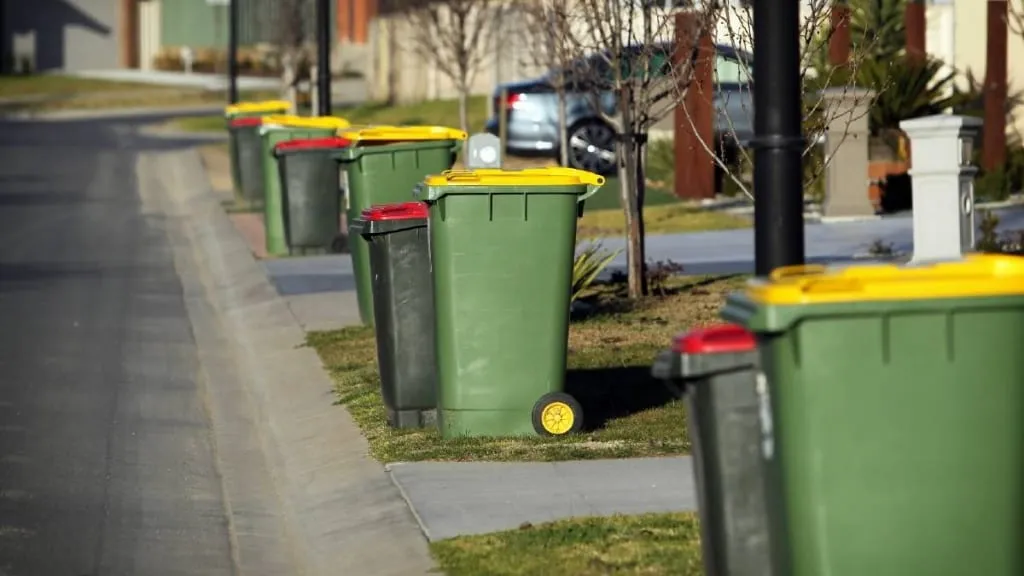
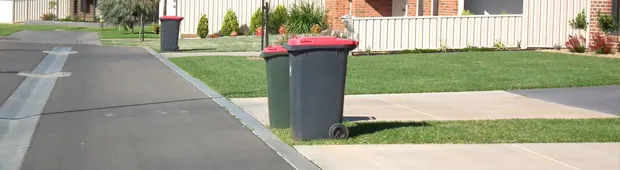
No. Tyres are not accepted in any Sydney kerbside bin, including general waste (red lid), recycling (yellow lid), or green waste bins. They are classified as regulated waste. Placing tyres in kerbside bins or dumping them illegally can attract penalties.
What happens to old tyres when they are recycled?
Tyre recycling starts by breaking tyres into smaller pieces, producing materials such as crumb, granule, shred, fibre, and steel. Crumb rubber finds use in sports fields, playgrounds, and road surfaces. Steel is recovered and recycled. Tyre-derived materials also substitute for coal as fuel in some industrial applications.
What do tyre shops do with old tyres?
Most TSA-accredited tyre shops pass old tyres to an accredited recycler or collector rather than sending them to landfill. The TSA scheme funds the collection and processing network through a levy paid by tyre importers. ATRA members alone process more than 20 million tyres per year through this network.
How many old tyres can I drop off?
At a TSA-accredited mechanic or retailer, most accept small quantities of passenger tyres, though the quantity accepted varies by business. For larger volumes, use a dedicated TSA-listed recycler or collector, or book a removal service.