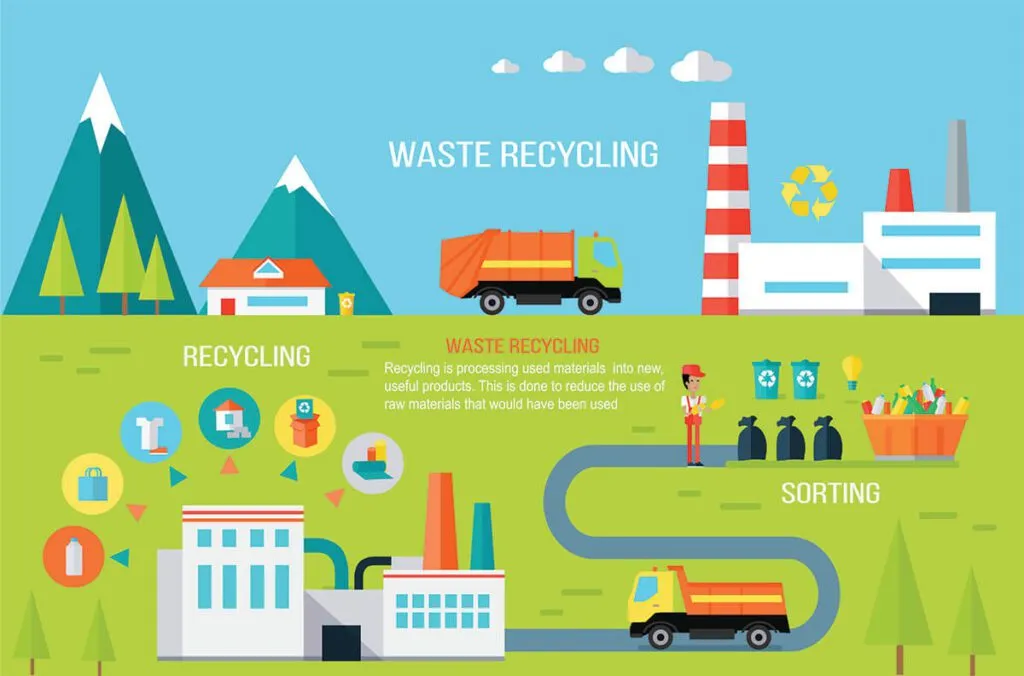
We encounter bottles every day, from plastic water bottles to glass wine bottles. But how many of us actually take the time and effort to properly dispose of them so that it can be recycled or reused? The advantages of recycling far outweigh the harm and impact that it has by simply sitting in a landfill to decompose, release methane gas and cause pollution.
Its estimated that glass bottles can take up to a million years to decompose.
But why don’t we recycle bottles more? The simple answer is because it takes an effort to recycle. It is more than simply placing it into the correct bin for disposal. It requires correctly sorting the material types because each material type has a different recycling process. There is also the requirement to sort the mix up of accidental non-recyclable materials with recyclable materials.
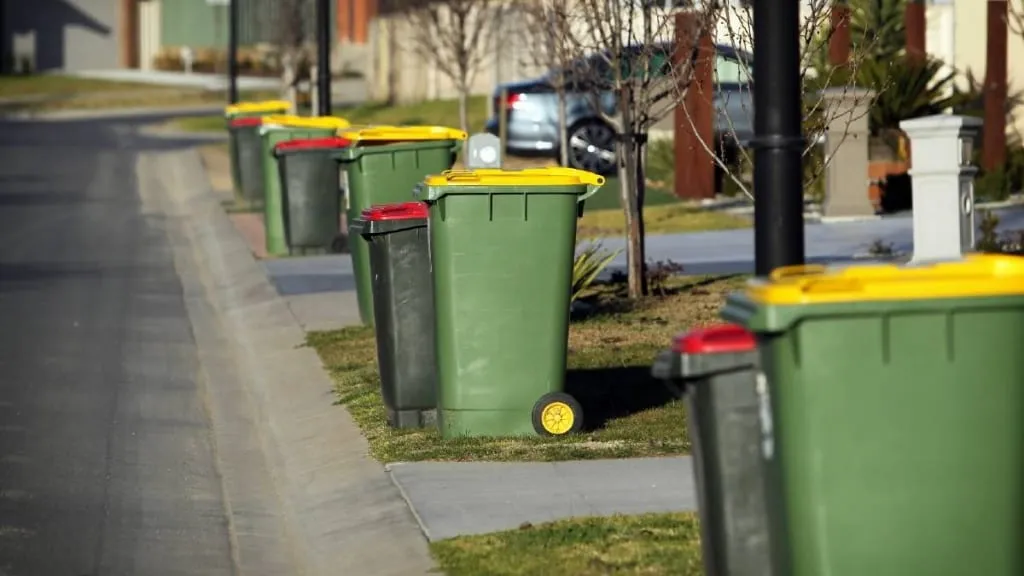
Another reason why consumers don’t recycle is that they do not know which items can be recycled and which items cannot. The mistake of putting non-recyclable things into the yellow bin can risk contaminating the recyclable waste. Thus, a significant amount of recyclable products are found in landfills when they could be transformed into new and useful products to be consumed again.
For most of us, the New South Wales container deposit scheme has encouraged consumers to recycle bottles through monetary rewards. You simply arrive at one of the 500 collection points across NSW with your plastic, glass or metal bottles and exchange each bottle for 10 cents.
With that said, we are here to guide you through everything you need to know about recycling bottles so that we can all make a conscious decision to make the world a better place. Recycling begins by gathering the same material type to process.
Glass Bottles
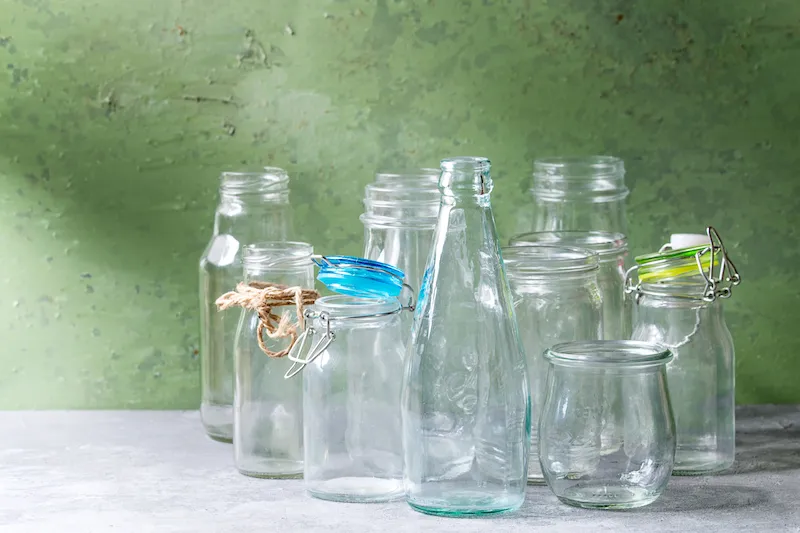
All glass bottles and jars can be placed in the yellow recycling bin for recycling. Although there are three different types of glasses, they are separated and recycled respectively once they are collected and undergo a sorting process at the recycling centre. This is done by melting the glass bottles down and given a new shape to form. They include wine bottles, beer bottles, medicine bottles and vitamin bottles.
The only thing you should note when placing glass bottles into the yellow recycling bin is that the bottle top or lid should be removed and placed in the correct bin. Since they are normally made up of a different type of material, they cannot be recycled together and this will make it easier for the centre to sort among the thousands of rubbish.
Metal Bottles
Metal bottles are definitely recyclable but are a little bit trickier to recycle than glass bottles. They are both capable of being recycled indefinitely. However, as opposed to the glass recycling process where the bottles are melted down, metal bottles are crushed. Because stainless steel is uncrushable, it makes the metal bottle recycling process more complicated.
For recycling purposes, metals are classified into two types; ferrous and non-ferrous. You can distinguish between the two by using a magnet. A ferrous metal will have an attraction to the magnet whereas non-ferrous metal will not react. Examples of metal bottles that can be recycled include aerosol bottles, metal water bottles and insect spray bottles.
Plastic Bottles
Most of the bottles that we come across in our daily lives are made up of plastic. Water bottles, detergent bottles and sauce bottles. The average time it takes for plastic bottles to completely decompose is 450 years. Luckily, they are recyclable!
It is known that plastic bottles can be recycled up to 9 times before the plastic fibres become too delicate to be further processed. A big mistake that households often make is throwing soft plastic together with recyclable plastics. A thumb of rule is if it can be “scrunched” in your hand then it shouldn’t be part of the recyclables.
Conclusion
There is no denying that bottles are a big part of our lives; glass, metal and plastic. It is possible to recycle all of them by sorting and recycling them according to their materials. In doing so, we are able to decrease the massive amount of waste that is sitting at a landfill doing nothing and reduce global warming.
Paul’s Rubbish Removal is dedicated to helping Sydney residents to properly dispose of any type of bottle or rubbish! For over 15 years, we have ensured that your rubbish are responsibly disposed of by delivering it to a recycling facility centre where it is treated, recycled and reused.
If you need any help with getting rid of bottles, rubbish, waste or junk, then call Paul’s Rubbish Removal. We are an industry leader in collecting and disposing of rubbish properly to help protect our environment. Please call us on 0407 125 125 for a fast and free quote.