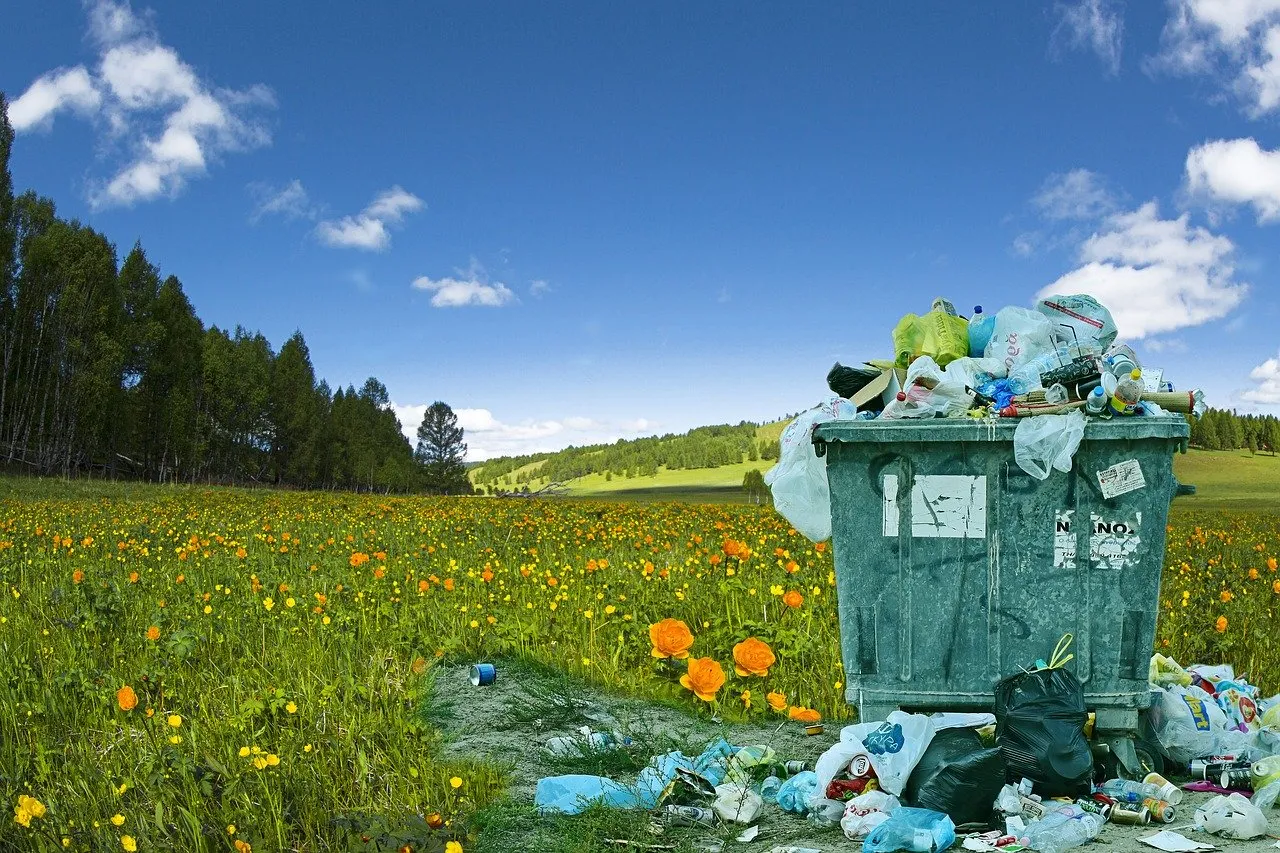
Improperly disposed waste causes real, documented health problems, not vague ones. The World Health Organization's December 2025 global review of solid waste and health found it creates breeding grounds for disease-carrying insects and rodents, and that hazardous chemicals from uncontrolled dumps can leach into groundwater and the food chain. In Sydney, that plays out through six separate, documented mechanisms, covered below.
Last updated: September 2026.
Key Facts
- Waste left in the open creates breeding grounds for disease-carrying insects and rodents, and its hazardous chemicals can leach into groundwater and the food chain, per the World Health Organization's December 2025 global review of solid waste and health.
- Rubbish that is dumped or left uncollected attracts flies, rodents and mosquitoes that can spread diseases including dengue, leptospirosis and cholera, the same WHO review found.
- Globally, enteric pathogens linked to sewage and waste contamination caused an estimated 1.2 million deaths in 2021, according to WHO.
- It's prohibited to burn domestic waste in the open or in an unauthorised incinerator anywhere in the Sydney, Wollongong or Newcastle council areas without EPA approval. Burying rubbish in the backyard is another tempting shortcut, and it brings its own dangers of burying garbage for soil, water and your family.
- The NSW EPA has invested $66 million between 2022 and 2027 keeping household items like batteries, paint and gas bottles out of kerbside bins, after finding they "can cause real harm when they're disposed of incorrectly."
- Between 56% and 85% of people with hoarding disorder also have a diagnosed mental illness such as an anxiety or mood disorder, per Australian Prescriber research involving Sydney Local Health District's Hoarding and Squalor Service.
Mosquitoes, Rodents and Cockroaches: Disease From Standing Waste
Dumped rubbish rarely causes disease by sitting there. It causes disease by attracting animals that do the spreading, and the animals in question are well documented. Keeping things clean at home helps too, and there are practical tips on how to keep your home disease-free.
Any container that holds water long enough (a discarded tyre, a takeaway cup, an old paint tin) becomes a mosquito breeding site. NSW Health's own advice for reducing mosquito risk around a property is to clear "anything that can hold water," including tyres and containers, for exactly this reason. In NSW, mosquitoes can transmit viruses including Japanese encephalitis, Ross River virus, Barmah Forest virus and Murray Valley encephalitis.
Rodents drawn to accumulated food waste carry a different risk. Leptospirosis spreads when bacteria in the urine of an infected rat or mouse contaminates water, mud or soil, and enters the body through a cut, scratch, or the lining of the eyes, nose or mouth. NSW Health's advice for reducing that risk follows the same principle as for mosquitoes: control rodents by clearing rubbish and removing the food sources that draw them in. Left long enough, rodents and the insects that follow accumulated waste can also carry hantavirus.
Mould and Smoke: Two Separate Respiratory Risks
Accumulated waste creates respiratory risk two different ways, and they need two different fixes.
The first is mould. Waste that sits and gets wet (food scraps, cardboard, soft furnishings) grows mould the same way a damp, poorly ventilated room does. Mould spores can trigger a runny or blocked nose, eye and skin irritation and wheezing, and for people with asthma, exposure can bring on an asthma attack. Rarely, prolonged exposure can cause hypersensitivity pneumonitis, a lung inflammation with flu-like symptoms. Most people who come into contact with mould have no symptoms at all.
The second is smoke. Burning domestic waste in the open or in an unauthorised incinerator is prohibited in all council areas across Sydney, Wollongong and Newcastle, and in most other NSW council areas, without specific EPA or council approval. The NSW EPA's reason is specifically respiratory: smoke pollution can aggravate existing heart and lung conditions like angina, emphysema and asthma, and cause breathing difficulties, throat irritation and decreased lung function in children. The World Health Organization's December 2025 review found the same pattern globally: open burning releases fine particulate matter, carbon monoxide and volatile organic compounds that damage the respiratory system and contribute to chronic conditions including asthma and bronchitis.
Sharps, Broken Glass and Contaminated Material: Direct Injury
Some of the risk from improperly disposed waste is more direct than a disease vector: it's whatever is actually in the pile.
The World Health Organization's global review of solid waste and health names scattered waste (broken glass, sharp metal and used needles) as a direct physical injury risk wherever waste sits with no controls on who can access it. Its documented list of injuries from handling uncontrolled waste includes cuts, abrasions, burns, puncture wounds, sprains and fractures.
Puncture wounds carry a specific follow-on risk: tetanus. The bacteria that causes it lives in soil and dust, and infection can follow a minor, barely-noticed puncture (a rusty nail, a shard of glass) as easily as a major wound. Untreated, tetanus produces muscle spasms starting in the jaw, breathing difficulty and, in serious cases, respiratory failure.
Leachate and Household Chemicals: How Dumped Waste Reaches Groundwater
Waste doesn't have to be buried in a landfill to contaminate water. Left in the open, decomposing rubbish produces leachate, a liquid that can pollute groundwater, surface water and soil, with some pollutants persisting and accumulating in the environment for decades. The NSW EPA lists contamination of soil and waterways among the direct reasons illegal dumping is a problem, alongside the harm it does to human health.
A second contamination pathway is more avoidable: mixing hazardous household items into general waste instead of using free disposal options. In August 2025, the NSW EPA launched a dedicated campaign after finding "everyday household items like unwanted batteries, gas bottles or leftover paint can cause real harm when they're disposed of incorrectly." Its advice is direct: never put hazardous waste in kerbside bins. Since 2014, Community Recycling Centres across NSW have safely collected more than 27,000 tonnes of exactly this kind of problem waste, kept out of kerbside bins and landfill because of the risk it poses.
Hoarding: A Recognised Condition, Not a Character Flaw
Accumulated waste inside a home carries its own, separate set of risks, and hoarding is the context where it shows up most.
Hoarding disorder is a recognised mental illness, distinct from squalor, which describes an unsanitary living environment that can result from either hoarding or from domestic neglect. It affects an estimated 1.5% to 5.8% of the population, and comorbid mental illness (mood, anxiety or attention-deficit hyperactivity disorders) is common, affecting an estimated 56% to 85% of people with hoarding disorder.
The physical risks are specific, not vague. Accumulated objects increase the risk of falls, and insect or rodent infestation compounds the vector-borne risks covered above; the risk of fire, and fire-related death, is high in a home with heavy accumulation. About a quarter of people with hoarding or squalor also have a physical health condition (incontinence, immobility or severe visual impairment) that contributes to the state of the home, which is one reason clinical guidance treats it as a health issue to manage, not a behaviour to judge.
The People Most Exposed: Waste and Recycling Workers
Every mechanism above affects a householder occasionally. It affects the people who handle waste for a living every day, and it's a genuinely under-covered part of this picture.
SafeWork NSW's guidance for the waste and recycling industry requires cut- and puncture-resistant gloves specifically to prevent lacerations and infections from handling waste and waste containers. Its biohazard provisions cover the transport of clinical and biohazardous waste in dedicated, leak-proof vehicles under a specific code of practice. Its hazardous-substances guidance names asbestos, silica, lithium-ion batteries and dust specifically among the materials waste workers can encounter unknowingly.
Leptospirosis carries its own occupational risk group: SafeWork NSW names sewerage workers among the occupations at elevated exposure risk. The World Health Organization's December 2025 review found informal waste workers carry the highest exposure of anyone in the chain, frequently working with limited protective equipment, facing vector-borne disease risk, and, where medical waste is mishandled, needle-stick exposure to bloodborne pathogens including HIV and hepatitis B.
This piece covers waste before it reaches a landfill. For what happens to health and the environment once waste is buried, see Why Are Landfills Bad for the Environment?
Got rubbish that's been sitting for a while, or a full clean-up to deal with? Household rubbish removal from Paul's Rubbish Removal takes it away properly, with a free quote based on what actually needs clearing, no public price list, no obligation.