Last updated: July 2026
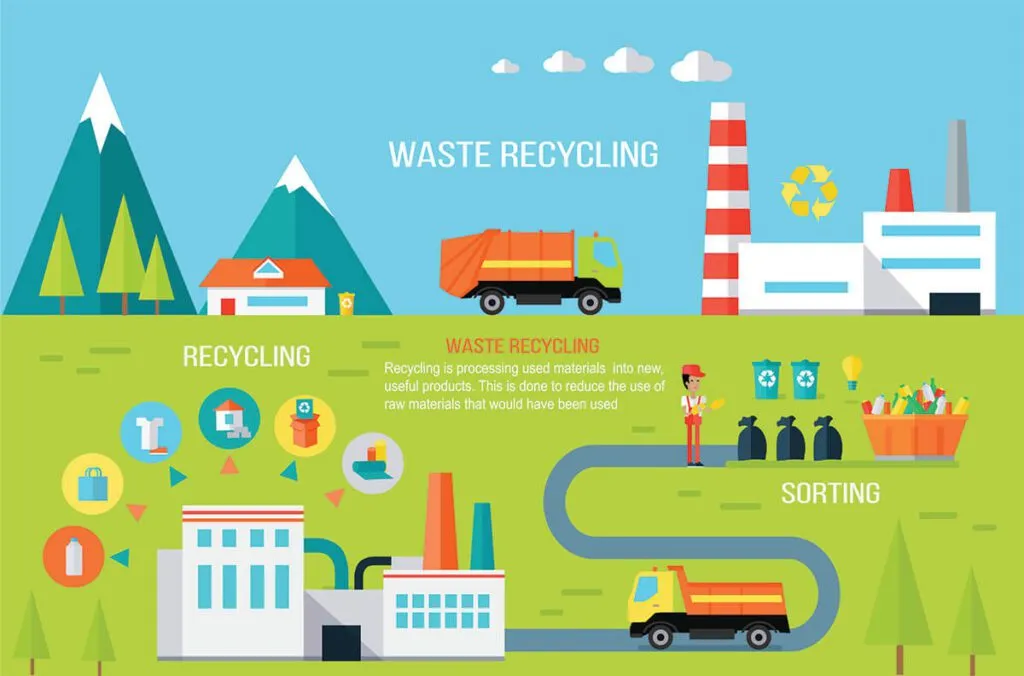
The six main waste disposal methods used in Australia are: recycling, composting and organics processing, energy from waste, landfill, hazardous waste collection, and council kerbside collection.
Australia generated 75.8 million tonnes of solid waste in the 2018-19 financial year, a 10% increase on the prior two-year period. Of that, over half went to recycling facilities (38.5 million tonnes) while 27% was sent to landfill (20.5 million tonnes). The choice of disposal method affects both the environment and the long-term cost of managing waste.
The waste hierarchy ranks disposal options, with waste prevention at the top and landfill at the bottom. Each method below sits somewhere in that order.
Australia's waste by the numbers (ABS 2018-19)
- 75.8 million tonnes of solid waste generated
- Over half sent for recycling (38.5 million tonnes)
- 27% to landfill
- 3% through energy recovery
- Plastic recovery rate: 19%, the lowest of any material
- Aluminium recovery rate: 90%, the highest of any material
Source: ABS Waste Account, Australia, 2018-19 (released November 2020).
1. Recycling
Recycling is the most widely used alternative to landfill. In 2018-19, 38.5 million tonnes of Australian waste was sent for recycling, which was over half of all waste generated that year.
Recovery rates vary by material:
- Aluminium: 90% recovery rate
- Metals overall: 76%
- Paper and cardboard: 65%
- Organics: 54%
- Glass: 58%
- Plastics: 19%, the lowest category
In NSW, households typically have access to a kerbside recycling bin for dry recyclables. Materials outside the kerbside system (textiles, some plastics, e-waste) require drop-off at a transfer station or specific recycling facility.
2. Composting and Organics Processing
Organic waste is the largest waste category from Australian households (6.4 million tonnes of 12.4 million tonnes total household waste in 2018-19, approximately 52%). In 2018-19, households were the largest contributor to organic waste overall, generating 6.4 million tonnes (42% of all organic waste).
Composting converts food scraps and garden material into soil amendment rather than sending them to landfill. Two main pathways:
- Home composting: Food scraps and garden waste go into a backyard compost bin or worm farm. The resulting compost feeds garden beds.
- Council organics collection: Some Sydney councils collect food and garden organics separately, sending material to industrial composting facilities.
Of all organic waste generated in Australia in 2018-19, 42% was sent for recycling or composting while 45% still went to landfill.
3. Energy from Waste
Energy from waste (EfW) converts non-recyclable waste into usable heat, electricity, or fuel through high-temperature combustion under controlled conditions. In Australia in 2018-19, 2.2 million tonnes of waste went through energy recovery: about 3% of total waste generated.
EfW extracts useful energy from materials that cannot be recovered through recycling or composting, diverting them from landfill.
NSW currently has limited EfW capacity, and most Sydney waste that cannot be recycled or composted goes to landfill rather than to an EfW plant.
4. Landfill
Landfill is the disposal method of last resort. Waste that cannot be recycled, composted, or processed for energy recovery is buried in a licensed engineered landfill. In 2018-19, 20.5 million tonnes of Australian waste went to landfill, 27% of the total.
Modern engineered landfills include systems to manage leachate and capture gas produced as organic material decomposes underground. All NSW landfills must be licensed by the NSW EPA and comply with environmental protection legislation.
Plastics are the material most likely to end up in landfill: only 19% of plastic waste was recovered in 2018-19, sending the remaining 81% to burial.
5. Hazardous Waste Collection and Disposal
Hazardous waste (paints, chemicals, batteries, motor oil, medications, and certain electronic items) cannot go into household bins and requires a separate, regulated disposal pathway. In 2018-19, Australia generated 8 million tonnes of hazardous waste, 58% of which went to landfill and only 24% to recycling.
NSW councils provide options for residents to safely dispose of household hazardous waste. Check your council website for local collection details. Asbestos-containing waste requires specialist licensed disposal and cannot go in household bins.
6. Council Kerbside Collection
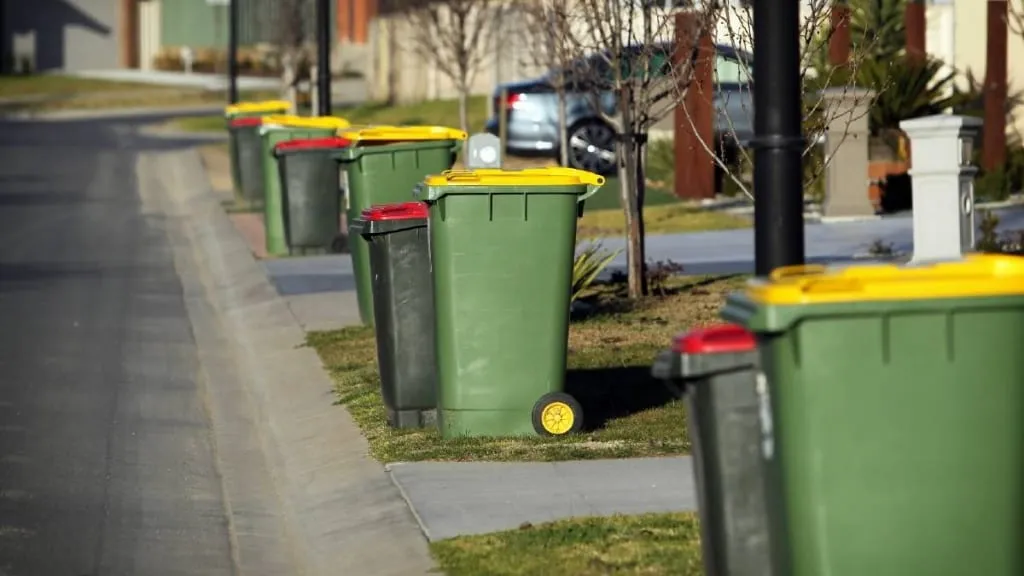
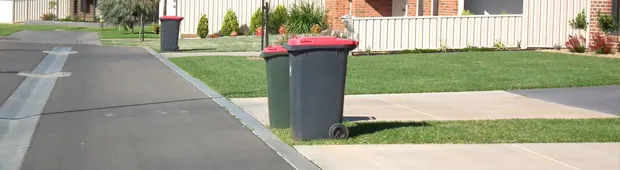
Council kerbside collection is the primary access point for most Sydney household waste disposal. Many Sydney councils use separate bins for general waste, recycling, and organics, though configurations vary between councils.
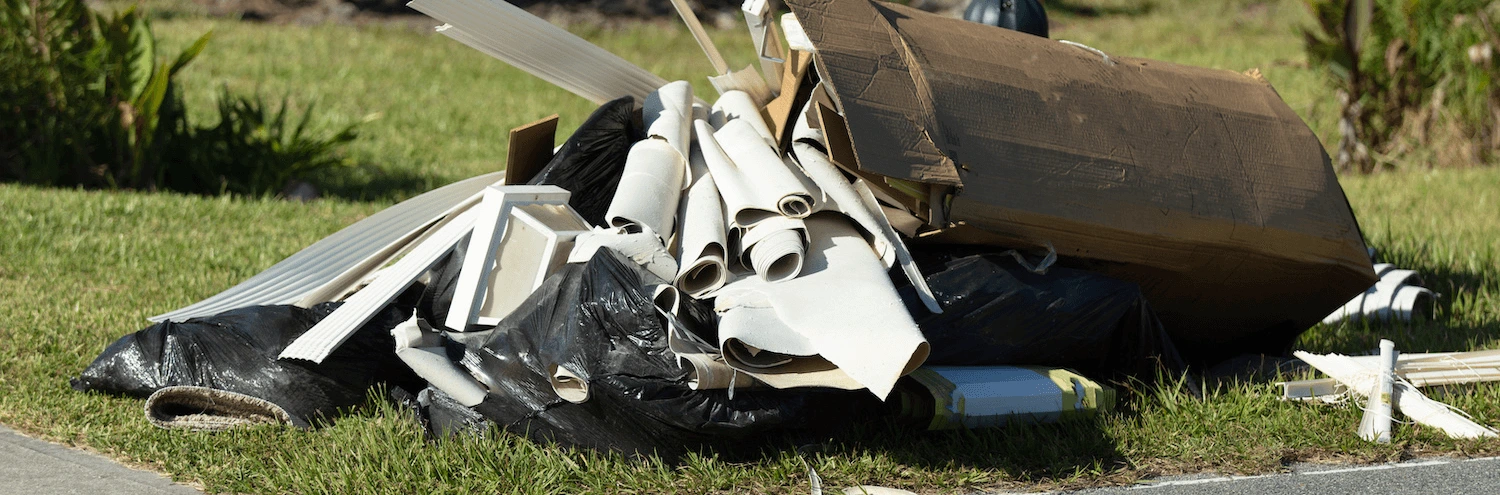
In addition to regular bin collection, many Sydney councils offer scheduled bulk waste collections for large items such as furniture and white goods. Check your council website for eligibility, schedules, and accepted items.
Which method should you use?
- Paper, cardboard, cans, glass, hard plastics: Yellow bin recycling. Check your council's accepted items list.
- Food scraps, garden clippings: Green bin or home compost. Diverts from landfill.
- Bulky items (furniture, appliances): Council bulk waste collection. Usually free; book online.
- Hazardous materials (paint, batteries, chemicals): HHW drop-off. Check your council website for collection options.
- Non-recyclable general waste: Red bin (landfill). Last resort after sorting.
- Large volumes or mixed loads: Rubbish removal service. Same-day; handles items councils will not take.
When the bins are not enough
Sydney councils handle regular household waste and recyclables, but bulky items (mattresses, old furniture, appliances, deceased estate contents) often fall outside what a council kerbside collection will take, or the wait is weeks away.
Paul's Rubbish Removal collects same-day (book before 10am) and removes items that councils will not, including mattresses with no per-job limit. Fully insured. Over 400 customer reviews.
Get a free quote.
Frequently Asked Questions
What is the most common waste disposal method in Australia?
By volume, recycling now handles the largest share: 38.5 million tonnes in 2018-19, compared to 20.5 million tonnes to landfill. However, landfill remains the destination for material that cannot be recycled or composted, and remains the dominant pathway for plastics specifically.
What percentage of Australian plastic waste is recycled?
Only 19% of plastic waste was recovered in 2018-19, the lowest recovery rate of any waste category. The remaining 81% went to landfill. Improving plastic recovery is a focus of current national and state waste policy.
Is composting better than recycling?
They handle different material streams, so a direct comparison does not apply. Composting handles organic waste (food, garden). Recycling handles dry materials (paper, metal, glass, plastic). Both divert waste from landfill.
When should I use a rubbish removal service instead of a council clean-up?
A council bulk waste collection is free but typically has wait times of weeks, limits on item types, and quantity restrictions. A rubbish removal service is same-day and handles mixed loads, mattresses, large appliances, and commercial quantities that councils typically exclude. The choice usually comes down to urgency and what you are getting rid of.