

An old barbecue is two disposal jobs, not one
Getting rid of an old barbecue means handling two separate items with two separate rules. The LPG gas cylinder is the dangerous, regulated part: it cannot go in any household bin, skip bin or kerbside clean-up pile. The steel body, hood and hotplates are ordinary scrap metal once the cylinder is off. Last updated: September 2026.
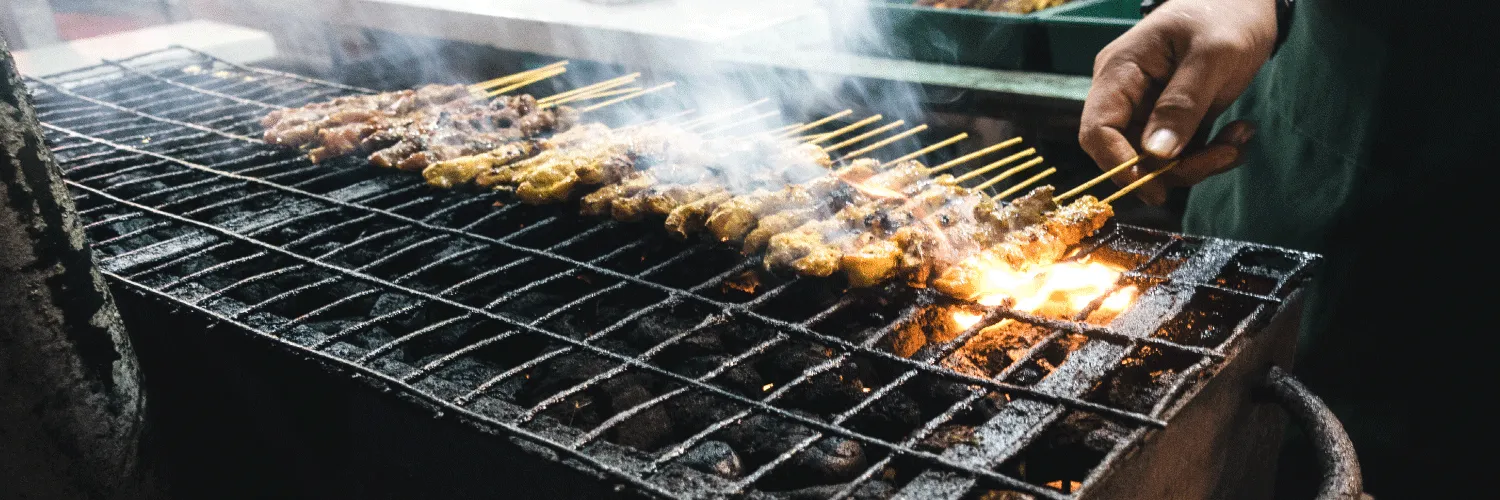
A barbecue cooks food by heating it from below, using one of three fuel types: charcoal, gas or electric. All three eventually wear out or rust through, and when that happens the disposal method depends almost entirely on which type you have. An electric or charcoal barbecue is close to a straightforward metal-and-plastic appliance. A gas barbecue is not, because it comes with a pressurised 9kg LPG cylinder attached, and that cylinder is what most disposal advice online skips past or gets wrong.
Why the gas cylinder needs its own process
A gas bottle is still classed as hazardous whether or not it reads empty. SafeWork NSW's own hazard guidance is explicit on this: flammable substances "includes both full and empty gas cylinders," because a cylinder that has held LPG can retain enough residual gas and pressure to be dangerous long after the last cook. That is the reason it can never simply go out with the rest of the barbecue on a kerbside pile, in a skip bin, or loose in a scrap metal load.
Most home barbecues run on a 9kg cylinder, which actually holds 8.5kg of LPG, or the smaller 4kg bottle, which holds 3.7kg. Under Australian Standards, a residential LPG cylinder has to be pressure-tested every ten years, and the test date is stamped on the collar. A cylinder that's past that date won't be refilled at a depot as a straight top-up, because suppliers check the inspection date before they'll put gas in anything.
Where the cylinder actually goes
There are three legitimate options for an old or unwanted BBQ gas bottle, and none of them involve a bin.
Exchange it through Swap'n'Go. The Swap'n'Go network (run by Elgas, with roughly 6,000 dealers across Australia) lets you trade an empty 9kg or 4kg cylinder for a full one on the spot, and it will also take a cylinder that's past its test date in the same exchange, at no extra charge. Out-of-date bottles handed in this way aren't discarded; the network inspects them internally and externally, fits new valves where needed, and applies a fresh date stamp before they go back into circulation. This is different from refilling your own bottle at a depot, where a current test date is required before anyone will put gas in it. A straight swap for the 9kg size typically costs somewhere between the high $20s and mid $40s, depending on the dealer.
Drop it at a Community Recycling Centre. NSW now has more than 100 Community Recycling Centres, and gas bottles are on the standard accepted list at every one, free of charge, year-round, with no booking required. What happens to a cylinder handed in this way is genuinely useful to know: any residual gas is captured for reuse, an undamaged bottle is retested, restamped and put back into the hire fleet, and a damaged one is punctured under controlled conditions and recycled as scrap metal.
Take it to a Household Chemical CleanOut event. These are free, council-run drop-off events held on set dates across NSW, and gas bottles are explicitly on the accepted list alongside things like old paint and pool chemicals.
What not to do with it
Do not try to empty, drain or decant the gas yourself. SafeWork NSW issued a safety alert after fires broke out at two Sydney service stations from unsafe decanting of LPG into smaller cylinders, "such as those used in barbeques." No one was hurt, but both properties were damaged, and the alert exists precisely because people assume moving gas between bottles is a minor DIY task. It isn't. Don't puncture the cylinder, don't leave it in a general scrap or metal pile for collection, and don't put it out for a council kerbside clean-up either: a gas bottle is exactly the kind of problem waste Community Recycling Centres exist for, precisely because it can't go through ordinary kerbside collection.
Once the cylinder is off, the rest is scrap steel
With the gas cylinder handled separately, everything left is a straightforward metal recycling job.
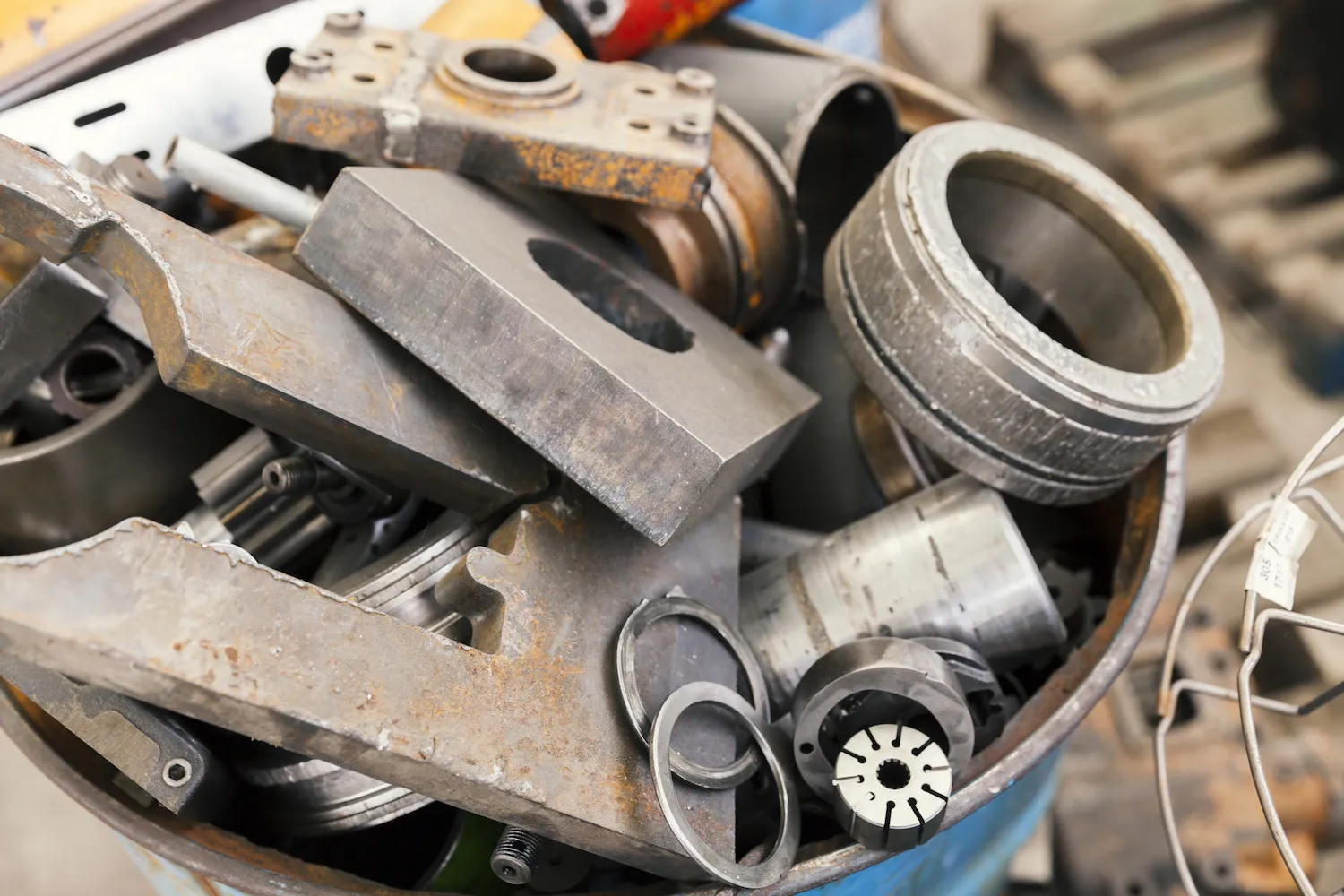
The grill body, hood and frame are almost always aluminium or steel, both of which scrap metal dealers take and pay for by weight. The hotplates and side shelves are the same story if they're stainless steel or aluminium; if a shelf or lid panel is plastic, check it for a recycling symbol before binning it. Control knobs, gas valves and wheels are typically metal or plastic, and both are recyclable through the right stream, metal to a scrap dealer, plastic through general recycling if it carries a recycling code. An igniter battery, where a barbecue has one, should come out and go into an e-waste or battery drop-off point rather than the general bin.
None of this needs to be sorted into a dozen separate trips. A scrap metal collection takes the body, hood, hotplates and any other metal parts of the barbecue in one go, once the cylinder is off and dealt with separately.
How to dispose of an old barbecue, step by step
- Disconnect the gas cylinder first, if it's a gas barbecue. Shut the valve, detach the regulator and hose, and set the cylinder aside on its own.
- Take the cylinder to Swap'n'Go, a Community Recycling Centre, or the next Household Chemical CleanOut event. Any of the three is free or low-cost, and all three will take it even if it's past its test date.
- Strip what's left into material types. Metal parts (body, hood, hotplates, valves, most shelves) go one way; plastic parts with a recycling code go another; anything with a battery gets separated out.
- Book a scrap metal collection for the metal parts, or take them to a scrap dealer directly if it's a small load and you're happy to transport it yourself.
- Bin only what's genuinely non-recyclable: the odd unmarked plastic offcut, or a perished hose that isn't part of the pressurised system.
The facts
- A gas cylinder counts as a flammable substance whether it's full or empty, under SafeWork NSW's own hazard classification.
- A standard home BBQ gas bottle is either the 9kg size (8.5kg of LPG) or the 4kg size (3.7kg of LPG).
- LPG cylinders must be pressure-tested every ten years under Australian Standards.
- More than 100 Community Recycling Centres across NSW take gas bottles free, year-round.
- Swap'n'Go accepts out-of-date cylinders in the exchange, at no extra charge, and re-inspects and re-dates them before they go back into use.
Spring is also the point in the year a lot of Sydney households replace outdoor furniture and cooking gear ahead of summer, which is usually when an old barbecue finally gets moved on rather than left rusting against the fence. If that's part of a wider backyard refresh, see our guide to spring rubbish removal.
Getting rid of the rest
Once the gas cylinder is out of the picture, the barbecue itself is just scrap metal, and it rarely needs a trip on its own. If you're clearing the whole backyard at the same time (old furniture, garden waste, anything else that's been sitting there), our scrap metal and junk removal service takes the barbecue body along with the rest of it in one visit. For a single gas cylinder on its own, the free options above are the simpler route.