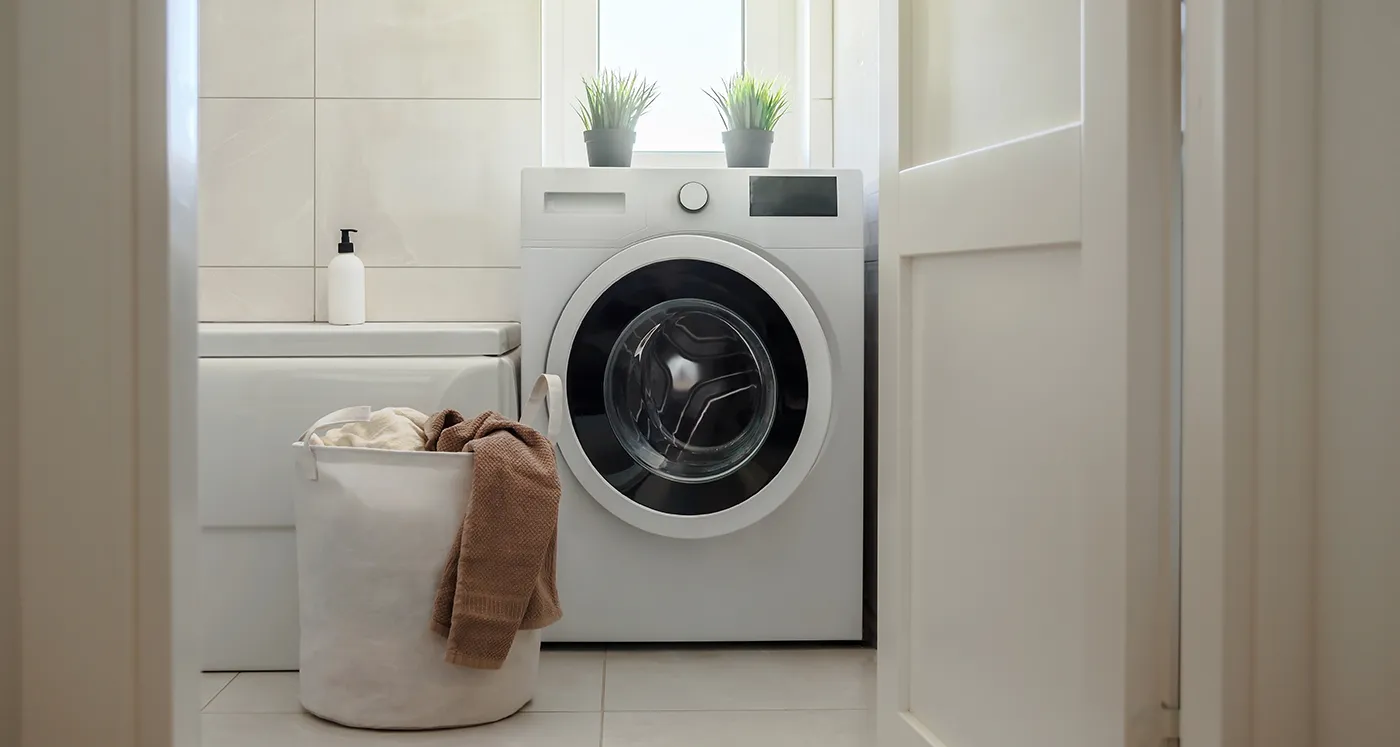
The free options for getting rid of an old washing machine in Sydney are council bulky waste collection and giving it away. City of Sydney, for example, runs a free bulky waste collection for residents, and so does Canterbury-Bankstown; giving the machine away through a second-hand dealer or online marketplace also costs nothing. A few other options exist but aren't guaranteed free: some manufacturers offer a take-back scheme when they deliver your new machine, though the cost is usually already built into the purchase price rather than charged separately, and some recyclers will let you drop the machine off yourself instead of booking a pickup that may incur a fee. Eligible pensioners, veterans and social housing tenants can also trade in an old top-loader for a new machine at a reduced price through a NSW Government program that removes and recycles the old one. Below is exactly how each one works, and what still costs money.
Last updated: August 2026.
Council Bulky Waste Collection
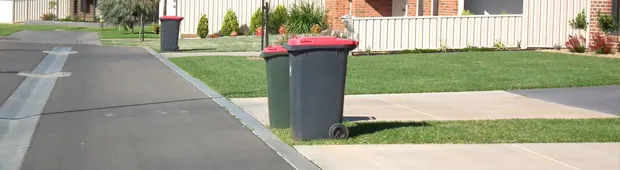
City of Sydney runs a free bulky waste collection for residents, available each week to houses, terraces and apartment buildings. Under Group 3: metals, whitegoods and electronics, washing machines are grouped with fridges, dryers, dishwashers and ovens, and there's a length and weight limit of 1.5 metres or 100kg, liftable by two people. Items go out the night before collection, not earlier: putting them out too soon can see the whole pile treated as illegal dumping.
Canterbury-Bankstown is another council with a free service: single-family homes and buildings of five units or fewer get two complimentary clean-ups a year, each taking up to three cubic metres, or the two allocations can be combined into one six-cubic-metre booking. Washers are explicitly listed among the accepted white goods and appliances. Apartment buildings of six units or more need their booking made by a caretaker, building manager or strata, on behalf of the whole building.
Inner West Council runs its own booking system too, with washing machines and dryers listed under its Metal and Whitegoods category. Each booking is capped at two cubic metres, and going over that brings a $170.60 charge for an extra collection. As with City of Sydney, putting items out earlier than the night before collection can be treated as illegal dumping.
Northern Beaches Council allows mainland households two bulky goods collections in any 12-month period, and lists white goods as an accepted category alongside furniture, mattresses and electricals. Whitegoods need their doors removed and must go in a separate pile for recycling, and they're the one item type exempted from the council's general 40kg weight cap on other items.
Booking a council collection doesn't guarantee your washing machine actually gets recycled, either. Not every council sends bulky waste to a recycler, some send it to landfill instead, so it's worth checking with your council directly if that matters to you.
If you're outside these four council areas, check your own council's website for its bulky waste booking process and any fees before you book.
Manufacturer Take-Back Schemes
If you're buying a new washing machine, check whether the manufacturer offers a take-back scheme, some will collect the old one when they deliver or install the new appliance. The cost is often already built into the purchase price, rather than charged separately. It's worth asking before you buy, since not every manufacturer offers it and the terms vary.
NSW Washing Machine Exchange Program
If your old machine is a top-loader and you hold a concession card, the NSW Washing Machine Exchange Program is worth checking. When the NSW Government announced the latest round in February 2026, it offered 6,500 new, energy-efficient 8kg front loaders to eligible pensioners, veterans and social housing tenants for $250 on trade-in of the old one. Places are capped, so check whether the round is still open before you count on it. That price covers delivery anywhere in NSW, professional installation, removal and recycling of the old top-loader, and a two-year warranty. It's delivered in partnership with The Good Guys Commercial. For an eligible household, the trade-in can also cut washing costs by up to $300 a year on top of getting rid of the old machine.
This is a different thing to a manufacturer take-back scheme. A take-back scheme is available from some manufacturers on any new machine you buy; the exchange program is a NSW Government subsidy limited to concession card holders replacing an old top-loader specifically.
Donate, Sell or Give It Away
If the machine still works, don't send it to landfill. You can take it to a second-hand appliance dealer or reuse centre, or list it on an online marketplace like Gumtree to give it away or sell it, provided it's in good working order.
Recycling Centres (DIY Drop-Off)
Some recyclers will let you drop off your old white goods yourself, rather than booking a pickup that may incur a fee. Washing machines count as white goods, so check with the centre first that they accept them. If you'd rather have it picked up instead, booking an independent recycler for that can involve a fee.
What Happens to a Recycled Washing Machine
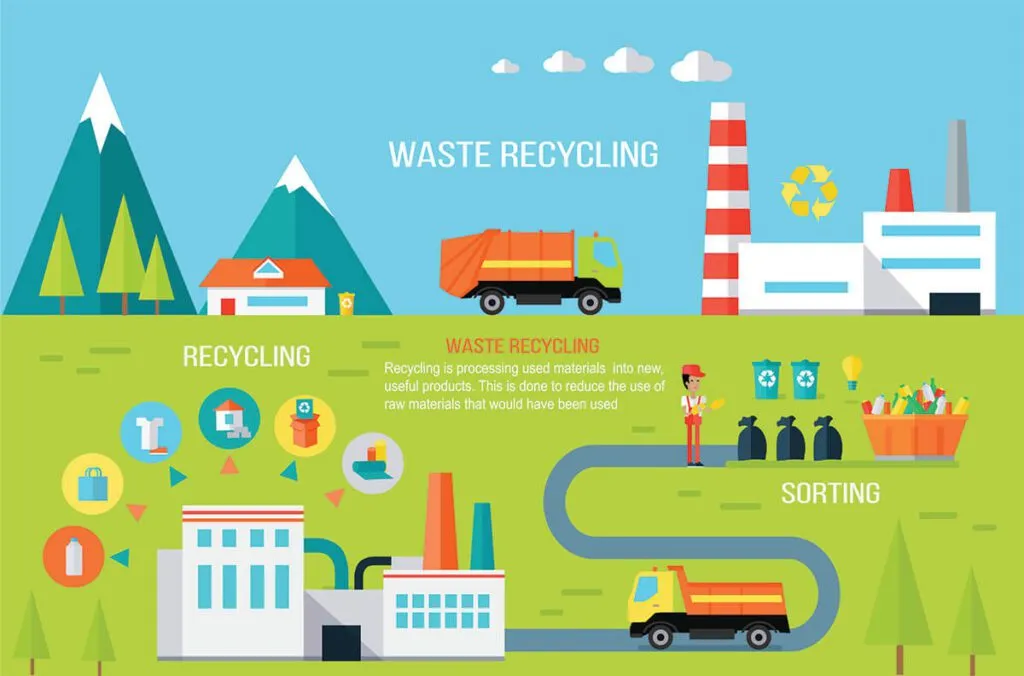
Once a washing machine is collected for recycling, hazardous materials such as gases, chemicals or heavy metals are removed first, then the appliance is crushed and shredded. Copper, steel and plastics are recovered from what's left and reprocessed into new metal and plastic products. If the machine still works when it's collected, it may instead be refurbished, for example by fitting new doors or seals, and resold or donated rather than being broken down. Recycling it this way keeps those materials in use and helps stop toxic substances, such as flame-retardants, from entering the environment.
Most of what actually gets recycled from a washing machine is scrap metal rather than plastic. Home appliances are made from a mix of metal and plastic types, and it's hard to separate the different plastics for recycling, so it's more often the scrap metal that's successfully recovered, though new sorting technology is starting to make plastic recycling easier too.
Frequently Asked Questions
How do I get rid of my washing machine for free in Sydney? Two ways: book a free council bulky waste collection (City of Sydney and Canterbury-Bankstown both run one), or give the machine away through a second-hand dealer or online marketplace. Some manufacturers also offer a take-back scheme when they deliver your new machine, though the cost is usually already built into the purchase price rather than charged separately.
Does my council collect washing machines for free? It depends on your council. City of Sydney and Canterbury-Bankstown both run free bulky waste collections that include washing machines. Inner West and Northern Beaches also run their own bulky waste booking systems that accept washing machines, with their own limits and rules. If your council isn't one of these four, check its website for its own booking process and costs.
Will a manufacturer take my old washing machine when they deliver the new one? Some do, as part of a take-back scheme, and the cost is often already built into the price of the new appliance rather than charged separately. It's not universal, so ask before you buy.
Is there a program to help pensioners or veterans replace an old washing machine? There has been. In the round the NSW Government announced in February 2026, the NSW Washing Machine Exchange Program let eligible pensioners, veterans and social housing tenants trade in an old top-loader for a new energy-efficient front loader for $250, including delivery, installation, and removal and recycling of the old machine. Places were capped at 6,500, so check current availability.
What do I need to do before my washing machine is collected? Check your council's placement rules. City of Sydney and Inner West both say to put items out the night before collection, not earlier, since early placement can be treated as illegal dumping. Northern Beaches asks you to remove the doors from whitegoods, place them in a separate pile, and make sure no batteries are left inside.
Does a washing machine need to be degassed like a fridge before disposal? No, that requirement is specific to fridges and freezers, which must be degassed at their end of life because they contain a refrigerant that is a very harmful greenhouse gas. A washing machine is a different type of white good, and none of the sources behind this page mention a degassing step for one.
Does it matter if my washing machine still works? Yes, for one of the free options. Donating, selling or giving it away through a marketplace like Gumtree requires it to be in good working order. If yours is broken, use the council bulky waste collection or a recycler drop-off instead.
Can I get money for scrapping an old washing machine? Not necessarily. Booking a recycler to take your washing machine away can involve a fee rather than a payment to you, so ask the recycler directly what they charge before you book.
Don't Want to Deal With Any of This?
If none of the free options above fit your timeframe, Paul's Rubbish Removal collects washing machines and other white goods across Sydney. We're fully insured, back every job with a 100% satisfaction guarantee, and have 422 Google reviews at 4.9. Get a free, no-obligation quote, or call 0407 125 125.