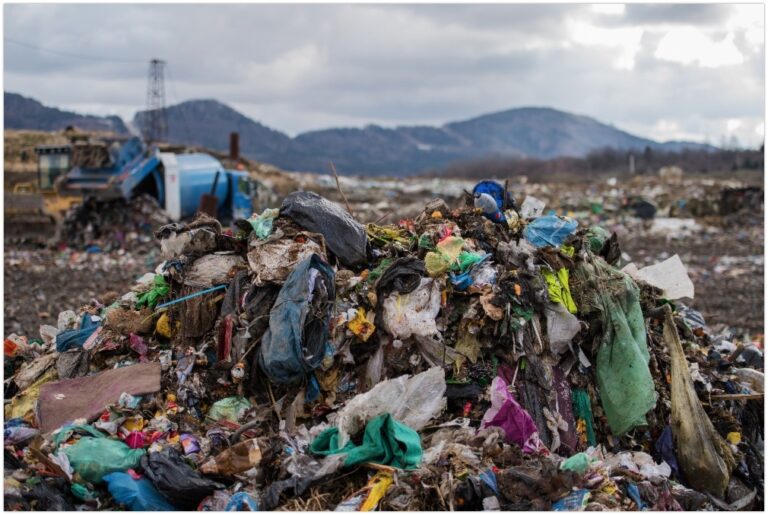
The number of rubbish humans throws away is on the rise and sadly, this trend is only projected to increase. The current global waste generation levels stand approximately at 1.3 billion tonnes per year. This figure is widely expected to rise to approximately 2.2 billion tonnes per year in the next six years. This represents a huge increase in per capita rubbish generation rates, from 1.2 to nearly 1.40 kilograms per person per day in the next few years. It is worth to mention that global average figures are only broad estimates because rates do vary significantly by region, country and city.
Typically, rubbish generation waste is highly influenced by the level of economic development, degree on industrialisation, public habits as well as the local climate. In general, the higher the level of economic development and industrialisation, the higher the amount of solid waste generated. Urban residents often produce nearly twice as much as their rural counterparts.
For the world to sustainably handle its waste, effective recycling measures should be put in place. Lots of countries have realised the potential benefits associated with waste recycling, and have invested in a number of waste management plans that favour reduction of waste generation.
Global organisations are not left behind too and are doing everything within their power to help cities reduce their waste generation levels as possible. One of these organisations is the Bureau of International Recycling (BIR), which have since given birth to Global Recycling Day.
What is Global Recycling Day (GRD)?
First and foremost, it would be impossible to talk about Global Recycling Day without the mention of the Bureau of International Recycling. Typically, the BIR is the worldwide recycling industry association that represents around eight hundred companies and thirty affiliated national recycling federations from at least seventy different nations. The association is a key pillar for global sustainable economic growth and development.
Though it is primarily an initiative of the BIR, global recycling currently functions as an independent organisation. The Global Recycling Day was created in 2018. The first ever Global Recycling Day was held on 18 March 2018. The aim was to help recognise and celebrate the importance that recycling plays in as much as the preservation of the finite natural resources is concerned. It is a special day for the world to unite, and put the planet earth first.
According to this initiative, it strives to inform the general public that the earth has six primary natural resources that are finite. These resources include air, water, natural gas, minerals and coal. Of course, these are all limited resources, over which we have a collective duty to take care of. Sadly, we have squandered them during years and years of unchecked utilisation and exploitation.
According to the Global Recycling Day, we have a seventh resource, which is recycling. With proper recycling plans, all metals, textiles, plastics, paper and glass and many more can all be recycled. These recycling by-products can be used time and time again, sometimes indefinitely.
Global Recycling Day tends to remind the world on how to use resources more effectively and to showcase collective responsibility toward the number of goods and materials we use and dispose of. It encourages both renowned world leaders as well as individuals to rethink and to place true environmental and economic importance behind recyclables.
It teaches the world that without effective recycling plans in place, all our used and discarded plastic products, packaging boxes, mobile phones, paper cups, cars, household equipment, will at one point, contribute to the ever-growing heaps of waste, which are either sent to the landfill or incineration centres, never to be used again. Simply put, it explains that without recycling, there is no other viable option but to continue stripping our lovely planet of its finite, virgin resources.
What does Global Recycling Day aim to achieve?
There are a number of important things that this particular organisation would want to achieve. It must be noted that the threat of climate change is one of the factors behind the creation of Global Recycling Day. Climate change is arguably the overriding problem of this generation as well as the greatest challenge faced by environmental regulators. It is a growing crisis that affects health and safety, food production and economic sectors in one way or another. Global Recycling Day’s aim is, therefore, to promote a sustainable solution which will potentially change this challenge into an opportunity.
The seven key pillars of GRD include:
- Implement and foster international collaborations which promote recycling, and negotiate new agreements as needed.
- Encourage and support the sustainable trade of recyclables to ecologically healthy companies worldwide.
- Educate, from a bottom-up approach, the general public regarding the potential benefits of recycling.
- Create and agree to a common recycling language.
- Make waste recycling a community-based issue and support measures that help households and entities provide seventh resource materials for recycling.
- Work closely with the industry to encourage the production of recyclable materials.
- Promote innovation, initiatives as well as studies which foster better standards of recycling.
There are also other similar events which aim to promote effective waste management and disposal practices around the globe. These include:
- The UN’s International Mother Earth Day: Fights against plastic pollution.
- International Solid Waste Management Association: It champions for proper waste management across the globe.
- The World Environment Day: Encourages worldwide awareness and action for the sustainable protection of the environment.
Paul’s Rubbish Removal actively promotes the need for global recycling and believes that it is the way of the future. Not only does it reduce the amount of waste on the planet, it also helps to maintain a clean, natural and healthy society. Rubbish causes stress and conflict among people.
If you need the removal and safely dispose of any waste, junk, rubbish or debris from your home, office, construction site or anywhere in Sydney, contact the professionals on 0407 125 125.