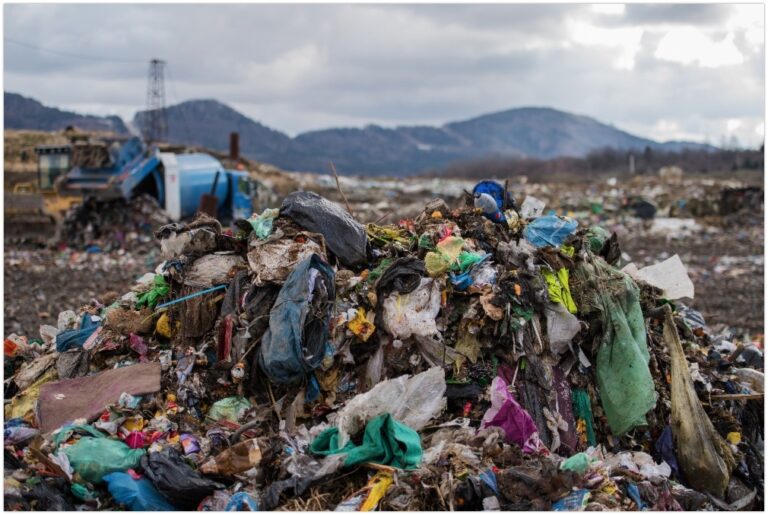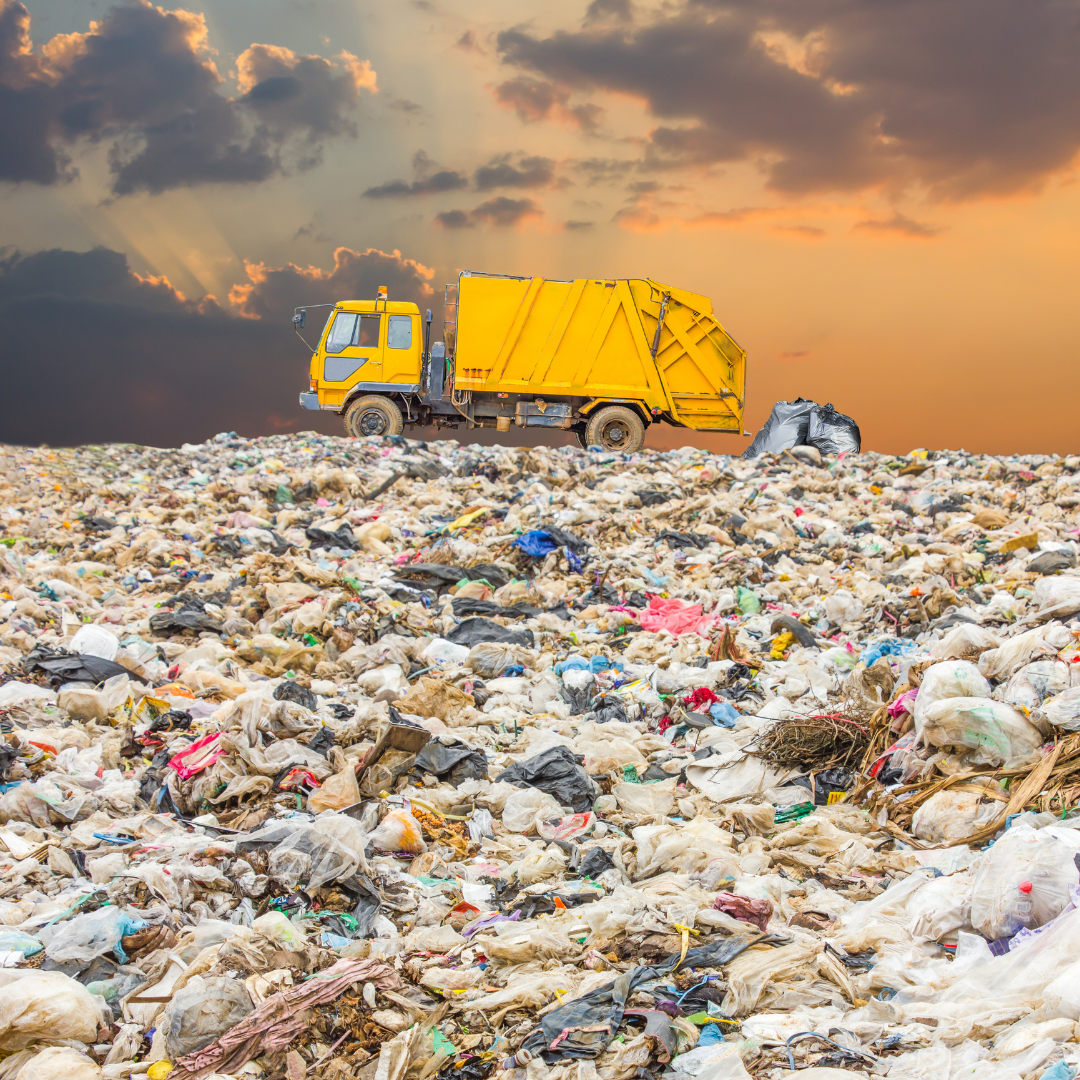
The modern world produces a staggering amount of waste, and landfills have long been a primary solution for disposing of it. However, these landfills come with a significant cost to the environment and human health and the value of nearby properties. It’s time to take a closer look at the consequences of relying on landfills and explore viable alternatives to minimise their impact on our planet and our lives. In doing so, we must ask ourselves, “Why are landfills bad for the environment?” and seek solutions that address these concerns.
Key Takeaways
- Landfills have a substantial environmental toll, from greenhouse gas emissions to soil contamination.
- Living near landfills can lead to health issues and air pollution, while leachate poses risks of water contamination & heavy metals exposure.
- Sustainable waste management alternatives must be implemented, such as recycling, reuse, composting and reducing packaging for a more circular economy.
The Environmental Toll of Landfills
Landfills represent a significant source of environmental degradation, far beyond being just an eyesore. From greenhouse gas emissions to soil contamination, the consequences of environment landfills are far-reaching and hazardous. The sheer volume of waste deposited in landfills exacerbates these issues, making it crucial for landfill operators to manage these sites responsibly and minimise their negative effects.
Landfills are a significant source of pollution and contribute to the decline of natural resources. As waste accumulates, it produces landfill gas, which can escape into the atmosphere and lead to serious environmental hazards. The environmental impact of landfills necessitates immediate attention and proactive action.
Greenhouse Gas Emissions
Landfills significantly contribute to climate change through the release of methane, a potent greenhouse gas. When biodegradable waste decomposes, bacteria produce methane gas as a byproduct, which is much more effective at trapping heat in the atmosphere than carbon dioxide. Landfills are, in fact, the third-largest source of global methane emissions, making them a major contributor to the release of methane and carbon dioxide.
In addition to contributing to global warming, methane emissions from landfills, due to their flammable nature, also carry a risk of explosion. Addressing this issue requires a combination of responsible landfill management and a shift towards waste management alternatives that produce less greenhouse gas emissions.
Leachate Contamination
As waste decomposes in landfills, it produces a toxic liquid called leachate, which carries the potential to contaminate neighbouring soil and water sources. This contamination can have devastating consequences for ecosystems, wildlife, and human health. Leachate contains a variety of harmful substances, including heavy metals and organic compounds, that can impact the quality of drinking water and the health of aquatic species.
Contaminated soil and water can also harm plant life and disrupt the balance of natural ecosystems. The risk of leachate contamination highlights the urgent need for alternatives to landfills that prioritise the protection of our environment and the health of our communities.
Soil Degradation
Landfills are a contributing factor to soil degradation, thereby influencing the overall health of the environment in their vicinity. The accumulation of waste in landfills releases toxic substances, which can contaminate the soil and harm its fertility. Furthermore, soil degradation can lead to a decline in biodiversity and the loss of valuable ecosystems.
The consequences of soil degradation extend beyond the immediate vicinity of the landfill, impacting the quality of life for people and wildlife alike. It is essential to recognize the danger that landfills pose to our environment and adopt more sustainable waste management practices to preserve the health of our soil and ecosystems.
Health Hazards Associated with Landfills
Residents living near landfills are exposed to a variety of health hazards. These risks stem from air pollution, water contamination, and exposure to heavy metals, which can lead to a range of illnesses. This poses a serious concern for communities near landfill sites, as the negative health impacts can affect their well-being and quality of life.
Undeniably, communities situated closer to landfills face higher risks of health and environmental hazards. To safeguard the health of residents and protect the environment, it is crucial to implement waste management strategies that minimise the need for landfills and mitigate their impacts.
Air Pollution
Significant health risks for residents living nearby arise from air pollution caused by landfill operations and emissions. Pollutants such as dust, methane, and various volatile organic compounds can cause respiratory ailments like coughing, wheezing, shortness of breath, and eye and throat irritation. In addition, the emissions from vehicles and machinery used in landfill operations can further exacerbate air pollution and its associated health risks.
The repercussions of air pollution on local communities, including a decline in quality of life and an increased risk of respiratory diseases, are too significant to overlook. Reducing air pollution from landfills is essential to protect public health and the environment.
Water Contamination
Leachate from landfills can contaminate water sources, posing risks to both human health and aquatic ecosystems. When toxic substances from leachate enter water bodies, they can cause a decline in water quality and pose a hazard to the health of aquatic species. Moreover, leachate-contaminated water can pose health risks for humans who come into contact with it, including sweating, general health conditions, and the potential for disease transmission.
The threat of water contamination underscores the importance of proper landfill management and the need for waste management alternatives that minimise the risk of water pollution from landfills. Ensuring the protection of our water resources is vital for the health and well-being of both humans and wildlife.
Heavy Metals Exposure
Heavy metals released from landfills seriously threaten both human and wildlife populations. Heavy metals can enter the environment through leachate and contaminate nearby soil and water sources. These substances can accumulate in the food chain, posing health risks to humans and wildlife alike.
Exposure to heavy metals can lead to organ damage, reproductive issues, and even death. Reducing the release of heavy metals from landfills and adopting more sustainable waste management practices are essential steps in protecting the health of humans and wildlife and preserving our environment.
The Impact on Local Communities and Property Values
Landfills have a negative impact not only on the environment and public health but their consequences also extend to local communities and property values. Odour and visual pollution from landfills can affect nearby residents’ quality of life and disrupt the surrounding landscape’s aesthetic appeal.
In addition, properties located near landfills often experience a decrease in value, with those in closer proximity experiencing a more significant decrease. The negative impacts of landfills on local communities and property values highlight the importance of exploring waste management alternatives that can minimise these consequences.
Odour and Visual Pollution
The lives of nearby residents can be significantly affected by unpleasant odours and visual pollution emanating from landfills. The primary causes of these odours include hydrogen sulphide and ammonia, which are produced during the breakdown of waste material. In addition to impacting the quality of life for residents, the pungent odours can draw in scavengers and pests, disrupting the natural balance of ecosystems.
Visual pollution from landfills can also have detrimental effects on wildlife and natural landscapes. The sight of waste and garbage can alter the habitat and behaviour of wildlife, leading to habitat destruction and a decline in biodiversity. Addressing these issues is crucial for preserving the well-being of local communities and the environment.
Lowered Property Values
Property values in areas surrounding a landfill can be significantly impacted due to its proximity. Research has shown that landfills can cause reductions in property values ranging from 5.5% to 12%, depending on the distance from the landfill. The closer a property is to a landfill, the greater the reduction in value.
The impact on property values is not limited to the immediate vicinity of the landfill. Long-term effects on property values can persist even after a landfill has been closed due to lingering environmental concerns and potential health risks.
Addressing these issues requires the implementation of sustainable waste management practices that can reduce the reliance on landfills and mitigate their negative impacts on property values and the environment, particularly in the context of municipal solid waste.
Waste Management Alternatives to Landfills
Adopting alternative waste management strategies is necessary to minimise landfills’ environmental and health impacts, thereby reducing our reliance on them. By implementing waste management alternatives such as recycling and reuse, composting, and waste reduction strategies, we can lessen the amount of waste that is disposed of in landfills and conserve valuable resources.
These alternatives help mitigate the negative effects of landfills and contribute to a more sustainable and circular economy. Embracing these waste management options can lead to a cleaner, healthier, and more resource-efficient future for our communities and our planet.
Recycling and Reuse
The role of recycling and reusing materials is critical in lessening the quantity of waste materials directed to landfills. By collecting and processing materials that would otherwise be discarded, recycling helps to conserve resources and reduce pollution. Materials such as paper, cardboard, glass, metals, plastics, and electronic equipment can all be effectively recycled and reused.
Recycling not only helps to divert waste from landfills but also reduces the need for new raw materials, which can help to decrease the environmental impact of resource extraction. Recycling and reusing materials can contribute to a more sustainable future and reduce our reliance on landfills.
Composting
Another effective waste management alternative to reduce landfill solid waste is composting. The natural process of composting involves recycling organic matter, such as leaves and food scraps, into a valuable soil amendment or mulch. This decreases the amount of waste sent to landfills and provides valuable nutrients for soil and plants.
Composting can be done on a small scale at home or on a larger scale at dedicated facilities. By composting organic waste, we can help to conserve resources, reduce pollution, and improve soil health.
Waste Reduction Strategies
Employing waste reduction strategies is crucial to minimise waste generation and ultimately lessen the dependence on landfills. These strategies include reducing packaging, promoting a circular economy, and encouraging sustainable practices. By adopting waste reduction strategies, we can help to lessen the burden on landfills and mitigate their environmental and health impacts.
Individuals can play a significant role in waste reduction by:
- Limiting the use of single-use and disposable products
- Using reusable items
- Adhering to the 5R’s of waste management: reduce, reuse, recycle, recover, and dispose
By incorporating these strategies into our daily lives, we can contribute to a more sustainable future and reduce our reliance on landfills.
Summary
In conclusion, the impacts of landfills on our environment, health, and property values are significant and far-reaching. By adopting waste management alternatives such as recycling and reuse, composting, and waste reduction strategies, we can help reduce our reliance on landfills and mitigate their negative effects. We are responsible for embracing sustainable practices and working towards a cleaner, healthier, and more resource-efficient future for ourselves and the generations to come.
Frequently Asked Questions
How are landfills harmful to the environment?
Landfills are dangerous to the environment and human health due to the release of methane and other harmful gases such as carbon dioxide, water vapour, oxygen, nitrogen, hydrogen, and non-methane organic compounds. These gases can contribute to global climate change and smog production.
What are 3 disadvantages of landfills?
Landfills have many environmental drawbacks, including the release of hazardous chemicals and toxins that can pollute soil and water, emit greenhouse gases, attract bugs and rodents, and reduce the value of nearby properties. In addition, they may be located in minority and low-income areas, reducing access to resources to oppose them.
What are the main environmental issues caused by landfills?
Landfills are a major source of environmental concern, producing emissions of greenhouse gases, contaminated leachate, and causing soil degradation.
What health hazards are associated with living near landfills?
Living near landfills can pose a serious health hazard as residents are at risk of exposure to air pollution, water contamination, and heavy metals, which can result in various illnesses.
How can recycling and reusing materials help reduce landfill waste?
Recycling and reusing materials can help reduce landfill waste by diverting it from disposal and conserving natural resources.