Last updated: August 2026. Recycling metal properly comes down to two things: sorting it by type before it leaves your property, and knowing which items need special handling. Get those right and it's genuinely worth doing: steel recycling uses 75% less energy than making it from raw materials, and recycling one tonne of steel keeps around 18 wheelie bins' worth out of landfill. Here's what to do, and what to avoid, when you're getting metal ready for recycling in Sydney.
5 Things to Do When Recycling Metal
1. Sort it by type before you recycle it. The recycling process separates ferrous metal (magnetic; steel, iron) from non-ferrous metal (not magnetic) using magnetic separators, and sorting is the actual first step in the process.
2. Know what actually counts as ferrous scrap. It's not just obvious offcuts and pipe. Common ferrous sources include old cars, household appliances, steel beams, food tins and bottle tops. Worth a second look around the house or garage before you assume something isn't worth taking.
3. Bring rusted metal in anyway, and call ahead if you're not sure it'll be accepted. Most scrap metal recyclers should still accept rusted iron and steel, since the rust can be removed as part of processing it, but it's worth calling ahead to check first.
4. Recycle it at all, rather than binning it as rubbish. It genuinely makes a difference: recycling one tonne of steel reduces greenhouse gas emissions by around 400kg and saves energy equivalent to running 4.4 houses for a month.
5. Keep it separated once it's sorted. Once you've split ferrous from non-ferrous, keep each in its own container or bag until collection. Mixing it back together undoes the sorting and pushes the job onto whoever handles it next.
How to Clean and Present Metal So It's Actually Accepted
You don't need to scrub cans spotless before they go in the bin. Just make sure they're empty, dry and free of any food or liquid as far as possible: that's the actual bar for a can to count as clean, and you don't need to wash or rinse it first.
Crushing matters more than washing does. Flattening cans and bottles before they go in the bin can save up to 30% of its capacity, which is the difference between a bin that copes with a fortnight of recycling and one that's overflowing by the end of week one.
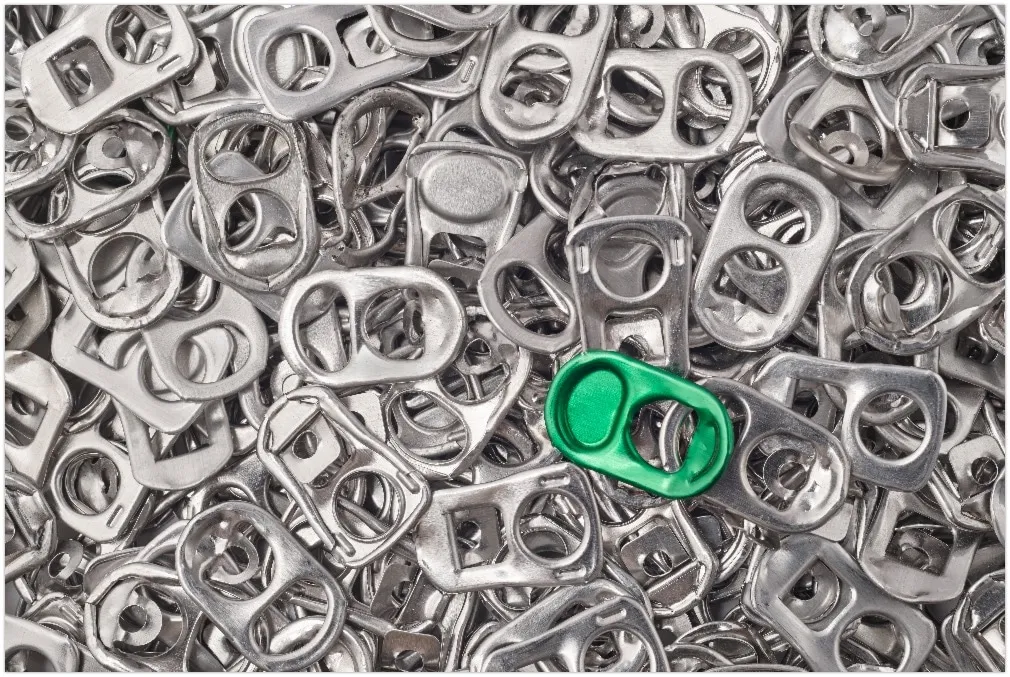
Aluminium cans are about as simple as metal preparation gets, because there are no labels or covers that need to be removed before they're recyclable. Once collected, they're crushed and melted down in a furnace, then reshaped into new products. The energy case for doing this properly is real: recycling aluminium uses 95% less energy and produces only 5% of the greenhouse gas emissions of making it from scratch. That holds for aluminium scrap generally, not just cans: it's a valuable resource that can be recycled infinitely with no reduction in quality. The same logic applies to copper, which doesn't degrade when it's processed and can reduce both emissions and energy use compared with production from virgin material, so there's no reason to write off a corroded or discoloured piece as too far gone to be worth sorting out.
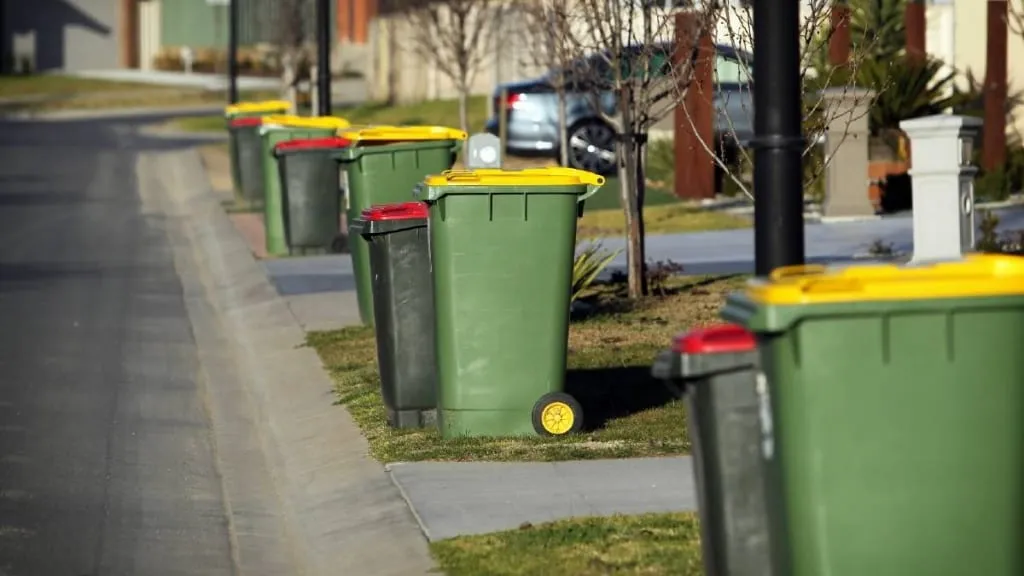
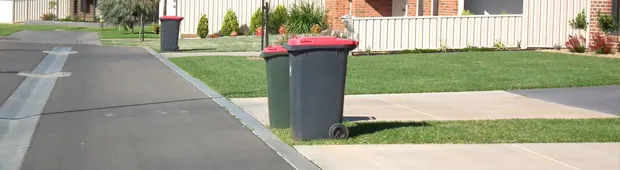
How you put the bin itself out matters too. Council guidance is specific: put it on the kerb the night before or by 5.30am on collection day, turn it so the handles face your property, leave roughly 30cm between bins and a metre clear of any obstruction like a tree, car or pole, don't overfill it, and make sure the lid actually shuts. An overfilled bin with the lid propped open by a stray offcut is exactly the kind of thing a truck arm can't safely lift.
5 Things to Avoid When Recycling Metal
1. Don't expect a scrap recycler to take it exactly as it came off the wall or out of an appliance. Pull out the obvious non-metal parts first, plastic housings, cords, glass, before you load it up. A load that's genuinely metal is worth more of everyone's time than one that still needs stripping down on the other end.
2. Don't dump different metal types together in one pile. The recycling process sorts by type using magnetic separators, then by alloy composition. An unsorted pile just pushes that sorting job onto someone else further down the chain. If you're not sure where a particular item should go, see how to dispose of metal in Sydney for the full breakdown of where to take what.
3. Don't treat items containing lead or mercury as ordinary scrap. Lead is classified as hazardous waste, and mercury can be a potent neurotoxin. Both need handling separately from a standard metal load. See our guide to safe hazardous waste disposal in Sydney if you're not sure whether something falls into this category.
4. Don't write off rusted or damaged metal as unrecyclable. Most scrap metal recyclers should still take it, since the rust can be removed as part of processing. Binning it as general rubbish over a bit of surface rust sends usable steel to landfill for nothing.
5. Don't handle sharp or jagged metal bare-handed. Broken appliances, cut sheet metal and old fittings can have sharp edges. Wear gloves when you're sorting or moving metal yourself.
What Actually Contaminates a Kerbside Load
Cans and other metal packaging are only half the story. What actually gets a recycling bin marked as contaminated is usually something else in it entirely. Councils exclude the same broad categories from the recycling bin:
- Building materials
- Car parts
- Garden waste
- Household waste
- Medical waste
- Needles and syringes
- Paints and poisons
- Plastic bags and soft plastic packaging
Plastic bags get singled out for a mechanical reason: they jam and cause breakdowns in recycling machinery. And if any of the above turns up in your bin, it may not be collected until the contamination has been removed. None of this is metal-specific, and that's exactly the point: your council doesn't check whether the culprit item was metal before it rejects the whole bin, so it pays to know the full list, not just the metal-shaped part of it. So if you're bagging loose metal offcuts before bin night, tip them in loose: the metal's fine, the bag around it isn't.
Batteries and Gas Bottles: Keep Them Out of Your Metal
Two things turn a routine metal recycling job into a genuine fire risk, and neither belongs anywhere near your sorted metal: batteries and gas bottles.
Batteries do not go into any bin, full stop. That's not caution for its own sake. In one Canterbury-Bankstown incident, a large lithium battery was thrown into a recycling bin at a Lakemba apartment block, and the truck's load caught fire before being driven for seven minutes to a safe dumping location. In another incident there, a metal container full of flammable liquid thrown into a bin sparked a fire inside a garbage truck. And days before that, a gas cylinder thrown into a bin exploded inside another garbage truck, with staff able to dump the smouldering load before it caught fire. The council's mayor, Bilal El-Hayek, put it plainly: "Throwing batteries and other harmful chemicals in the bin will only fuel the next emergency, putting our community and drivers at risk."
The reason batteries are this dangerous: all batteries, including the ones embedded in vapes, appliances and power tools, can spark, ignite or explode when they're crushed, and often contain toxic metals such as nickel, mercury and lead. Northern Beaches Council's own list of what should never go in the bin or a Bulky Goods Clean-up pile puts gas bottles and fire extinguishers right alongside batteries. Both need a dedicated drop-off point, not your metal recycling stream. Northern Beaches Council, for one, takes batteries, gas bottles and fire extinguishers for free at its Kimbriki centre; your own council will have an equivalent free option, so it's worth a quick search before you throw either in with anything else.
FAQ
Is metal actually recyclable? Yes. Metal is a non-renewable resource, and most metals, both ferrous and non-ferrous, can be recycled provided the right infrastructure is in place.
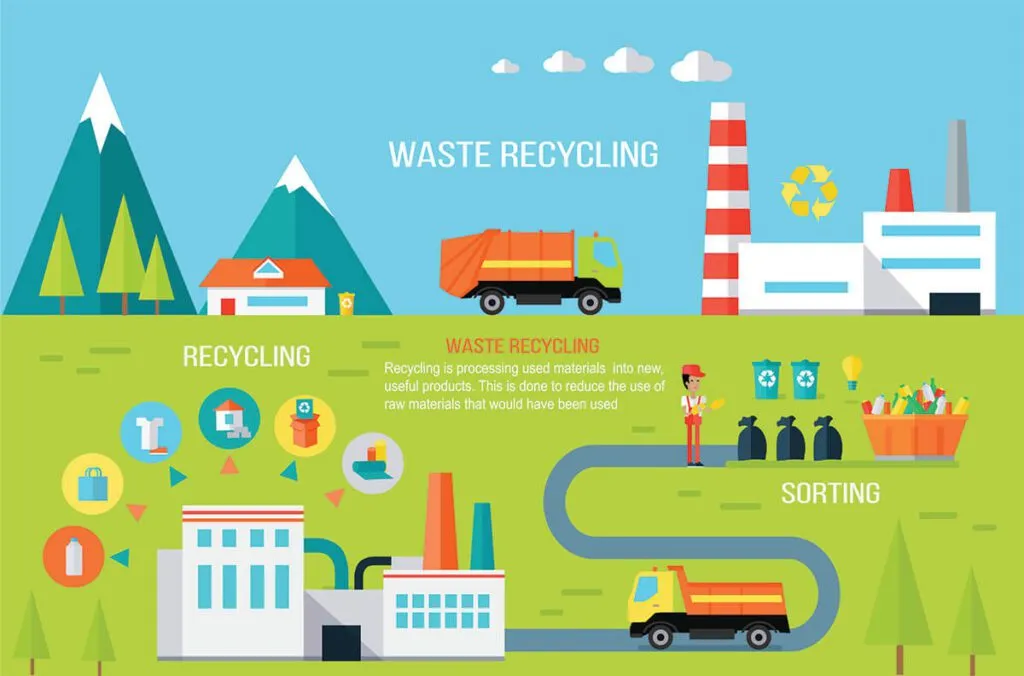
How does metal recycling actually work? Metal is sorted first, usually by magnet or by hand, then shredded and melted down in a furnace before being purified and cooled into new bars or sheets. Recycled metal ends up in everything from cars to food and drink cans.
Can rusted metal still be recycled? Yes. Rust doesn't disqualify iron or steel from recycling: it's removed as part of the processing. It's still worth calling ahead if you're unsure.
Are aerosol cans accepted in the recycling bin along with steel and aluminium? Yes. Aluminium, steel and aerosol cans are all accepted in a standard kerbside recycling bin. It's one of the few metal items you don't need to take anywhere else.
Does steel lose quality every time it's recycled? No. All types of steel are 100% recyclable and can be recycled infinitely. That's part of why sorting it out properly is worth the five minutes it takes.
Get a Free Quote for Scrap Metal Removal
Sorting and prepping metal yourself isn't for everyone, especially with a mixed load of renovation offcuts, old appliances or general clean-up scrap. Paul's Rubbish Removal takes metal away as part of a regular rubbish removal job, quote-based and no sorting required first. Get a free quote for scrap metal removal or call 0407 125 125.